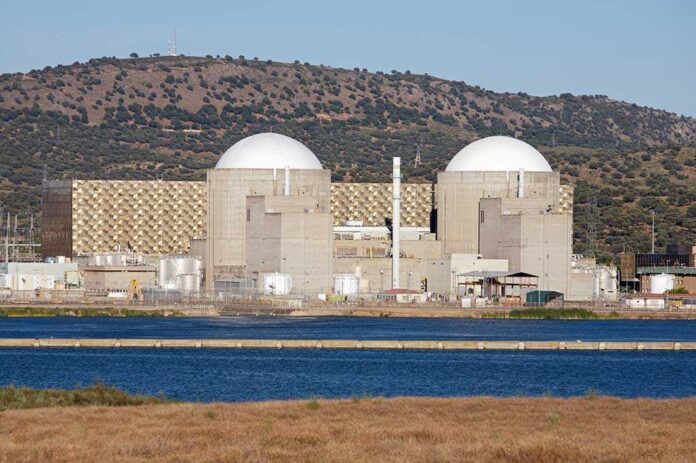
New satellite images reviewed by analysts show Iran has already started rebuilding nuclear facilities the United States bombed last year, undercutting claims that the strikes wiped out the program for good.
Quick Take
- Fresh satellite photos reportedly show construction activity at Iranian nuclear sites hit during last year’s U.S. strikes.
- Iran’s own atomic energy agency said right after the attack that operations would continue “unhindered.”
- Early U.S. intelligence reports said the strikes may have set Iran’s program back by only months, not years.
- Much of Iran’s enriched uranium stockpile reportedly survived, and some may have been moved before the bombs fell.
What the Strikes Hit and Why
The United States launched Operation Midnight Hammer in June 2025, striking three Iranian nuclear sites: Fordow, Natanz, and Isfahan. American forces used 75 precision-guided bombs and more than 125 aircraft in the mission. Officials said the goal was to halt Iran’s nuclear program and push for a lasting deal, not to send troops on the ground or occupy the country.
President Trump said the strikes “completely and totally obliterated” Iran’s key enrichment sites. The Pentagon’s own top general struck a more careful tone, saying at the time that a full damage assessment would take weeks, though he described the initial destruction as “extremely severe”.
Early Assessments Told a Different Story
Within days, cracks appeared in the victory narrative. A leaked early Defense Intelligence Agency report said the strikes likely delayed Iran’s nuclear ambitions by only a few months, not years, according to officials briefed on the findings. That assessment clashed sharply with the White House’s public messaging and set off a fight over how much damage the bombs actually did.
Reporting also found that Iran’s stockpile of highly enriched uranium was never destroyed. Some of that material may have been moved to secret locations before the strikes even happened, according to people familiar with the intelligence. Analysts noted the damage mostly hit buildings above ground, while underground centrifuges tied to enrichment reportedly stayed largely intact.
Iran Signaled It Would Keep Going
Iran’s Atomic Energy Organization confirmed the strikes hit Fordow, Isfahan, and Natanz but insisted its work would continue without interruption. That statement, made almost immediately after the attack, gave an early hint that Tehran still had the people, materials, and know-how to keep its program alive in some form, even if key buildings were damaged.
New Images Raise the Stakes
The latest satellite photos add fresh weight to those early warnings. If construction crews are already rebuilding at bombed sites, it suggests Iran kept enough infrastructure, expertise, and materials to restart work fast, something U.S. officials have not fully addressed in public. It’s worth noting that the underlying imagery, exact dates, and analyst methods behind these newest claims have not been made public in detail, so independent experts have not yet had a full chance to check them against past satellite data.
US Pauses Overnight Strikes on Iran
US forces did not launch new overnight attacks on southern Iran. This is the first such pause in about two weeks.
Tensions across the region stayed high despite the pause. Fighting continued elsewhere in the Middle East.
Saudi Arabia struck… pic.twitter.com/wgC4NwCa5D
— KlearNewsDaily (@KlearNewsDaily) July 25, 2026
This gap between bold public claims and messier private assessments is not new in nuclear standoffs. It happened after Israel’s 1981 strike on Iraq’s Osirak reactor and it appears to be happening again here. For Americans on both sides of the political aisle already skeptical that Washington tells the full story on foreign conflicts, the pattern of “mission accomplished” statements followed by quieter walk-backs will likely deepen distrust rather than ease it.
Sources:
armscontrol.org, bbc.com, npr.org, apnews.com
© nationalusnews.com 2026. All rights reserved.