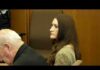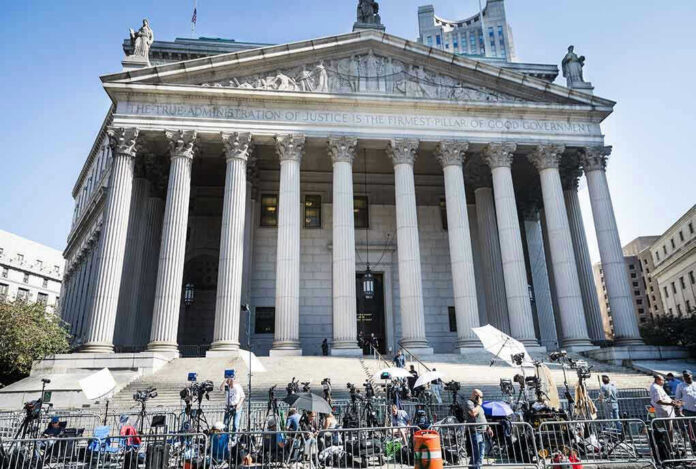
Weeks of plotted messages, rooftop movements, and a disputed confession now raise hard questions about how a high-profile political killing is being investigated and explained to the public.
Story Snapshot
- Surveillance video and texts suggest Tyler Robinson planned and carried out the shooting of Charlie Kirk.
- Key evidence, including DNA and bullet location, is challenged by the defense and outside commentators.
- Media and officials frame the case as a lone-wolf “assassination,” shaping public opinion before trial.
- Secrecy orders and camera fights in court deepen distrust toward institutions on both left and right.
What Investigators Say Robinson Planned And Did
Charging documents and news timelines say Tyler Robinson spent days sending messages that point to planning Charlie Kirk’s killing. One text told his roommate to look under a keyboard, where police say they found a note stating he had “the opportunity to take out Charlie Kirk” and was going to do it. Reports describe further texts to his partner after the shooting, where the partner asked why he did it and how long he had been planning, showing early evidence of intent and premeditation tied to Kirk’s campus event.
Surveillance video, played in court and described by a state investigator, shows a man officers say is Robinson arriving at Utah Valley University, leaving, then returning several times before the event. On his final trip back, the man wears different clothes and moves toward the Losee Building roof overlooking the amphitheater where Kirk was speaking. In the video, he climbs over a railing, crawls into position, lies prone for 15 to 30 seconds near the time of the shot, then sprints across the roof and jumps down, appearing to carry an object in his hand as he flees.
Evidence Gaps And Disputes That Fuel Doubt
Even with this detailed timeline, investigators admit the cameras did not capture the actual moment of the gunshot or the weapon firing. The rooftop footage shows movements before and after, but there is no direct visual of the trigger being pulled, which leaves the state relying on timing and circumstantial inference. The object in Robinson’s hand as he jumps from the roof has not been clearly identified in public records, so the claim that it was the rifle that killed Kirk still rests on investigator judgment rather than a fully released forensic match.
The DNA evidence also faces challenges. Officials have said DNA on a towel wrapped around a rifle near the scene matched Robinson, tying him to the gun. Defense lawyers, however, point to an analyst’s language that the result did not provide “absolute identification,” and they question whether the chain of custody and lab work are strong enough to prove Robinson was the sole shooter. No witness has publicly testified to seeing him fire the weapon, so the case rests on video, notes, texts, and lab reports that many citizens feel they are only allowed to see in pieces.
Second Shooter Theories And Bullet Location Questions
Commentators and some social media voices highlight one detail that has become central to “second shooter” arguments: a bullet fragment found on a different campus roof than where Robinson was seen. Reporting says the fragment was discovered on the Computer Science building roof on the far east side, while Robinson was filmed on the Losee Building roof closer to the amphitheater. For people already skeptical of official stories, two rooftops and one fatal shot sound like a physics puzzle that the public has not been allowed to fully check.
Experts caution that forensic trajectory can be complex and that unusual bullet paths alone do not prove multiple shooters. Still, the incomplete release of ballistic reports and the prosecutor’s contempt finding for talking about an Alcohol, Tobacco, Firearms and Explosives (ATF) bullet analysis feed the belief that important details are being managed for narrative control rather than truth. When courts limit camera access and lawyers fight over broadcasting key exhibits, it reinforces a familiar fear on both the right and left: that “the system” will decide what citizens are allowed to know about political violence.
How Official Narratives And Media Framing Shape Public Trust
From the start, officials and major outlets have called the killing an “assassination,” stressing political motive and a lone, radicalized young man. That word carries heavy weight, suggesting a clear plan and a single actor, even while forensic questions remain open. This fits a broader pattern in recent American political violence, where authorities quickly label lone extremists and push for harsh penalties, but the public rarely gets full access to the evidence record before opinions harden.
Research shows politically motivated murders are still rare in the United States compared with many countries, yet threats and attempts are rising in a polarized climate. Each high-profile case becomes a test of trust. For older conservatives tired of what they see as media double standards, and older liberals tired of “America First” rhetoric that seems to excuse violence, the Robinson trial feels less like a search for truth and more like another battle in an information war. The mix of partial footage, sealed lab reports, and strong language from officials deepens the shared worry that when the stakes are high, the system protects itself first and the public last.
Sources:
youtube.com, bbc.com, cnn.com, biography.com, abc7news.com, facebook.com, instagram.com, newsfromthestates.com, cato.org
© nationalusnews.com 2026. All rights reserved.