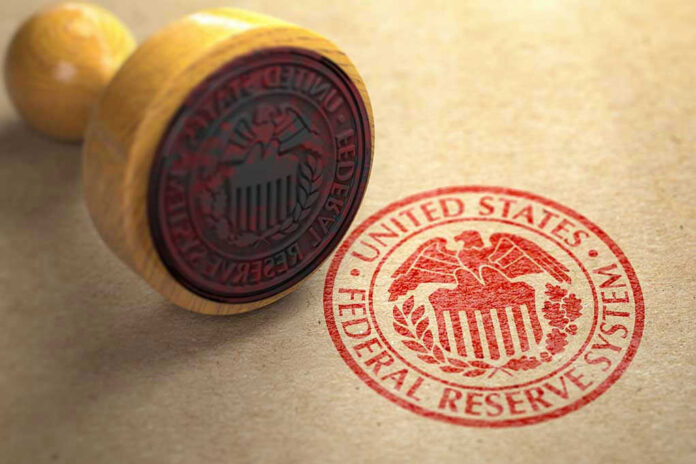
As President Trump reignites calls for accountability, Treasury Secretary Scott Bessent has taken a bold step to scrutinize the Federal Reserve’s performance, leaving many wondering what reforms might lie ahead.
At a Glance
- Scott Bessent, a key Trump ally, confirmed as Treasury Secretary in January 2025.
- Bessent prioritizes examining the Federal Reserve’s performance amid growing scrutiny.
- The administration aims to extend 2017 Republican tax cuts and roll back regulations.
- Political pressure on the Fed could reshape US economic policy and market stability.
Trump Administration’s Economic Vision
Scott Bessent’s appointment as Treasury Secretary in January 2025 marked a significant shift in the Trump administration’s economic strategy. Known for his critical stance toward the Federal Reserve, Bessent aligns closely with President Trump’s vision of aggressive trade and tax policies. The administration is keen on reassessing the Fed’s effectiveness, with Bessent leading the charge to examine its performance. This move comes as no surprise to those familiar with Trump’s previous criticisms of the Fed, particularly regarding its independence and interest rate policies.
Bessent’s confirmation by a bipartisan Senate vote underscores his influential role in shaping the country’s economic agenda. With a focus on extending the 2017 Republican tax cuts, Bessent warns of potential economic calamity if these cuts expire at the end of the year. The administration’s priorities include rolling back financial regulations, boosting the cryptocurrency industry, and managing economic competition with China. As Bessent settles into his role, the spotlight remains firmly on the Federal Reserve and its future under this administration’s scrutiny.
The Federal Reserve Under Scrutiny
The Federal Reserve’s independence has long been a cornerstone of US economic policy, but recent developments suggest a new era of scrutiny. Bessent’s call to examine the Fed’s performance aligns with Trump’s ongoing criticism of the central bank. While past administrations have occasionally clashed with the Fed, direct public pressure to reform its structure is relatively rare. This renewed focus on the Fed raises questions about the potential implications for monetary policy and market stability.
Critics argue that undermining the Fed’s independence could lead to higher inflation and market instability. Financial analysts warn of the dangers of politicizing monetary policy, which could erode investor confidence and harm long-term growth. However, some economists argue that periodic reviews of the Fed’s performance are healthy, provided they do not compromise its autonomy. As debates over the Fed’s role intensify, the administration must balance calls for accountability with the need to maintain economic stability.
Implications for US Economic Policy
The political pressure on the Federal Reserve comes at a time of significant economic headwinds for the US. Uncertainty surrounding the extension of tax cuts could impact business investment and consumer confidence. Financial markets remain sensitive to signals about the Fed’s independence and potential regulatory changes. As the administration pushes forward with its economic agenda, the balance of power between fiscal and monetary authorities could shift dramatically.
Meanwhile, the debate over tax policy and regulatory reforms continues to shape the US financial landscape. Businesses and taxpayers are directly impacted by these decisions, while international partners monitor US policy shifts for implications on trade and currency stability. The administration’s focus on extending tax cuts and reviewing the Fed’s performance underscores its commitment to reshaping the economic landscape in line with conservative values.
Sources:
Politico live updates on Senate confirmation
Congressional nomination records