Trump just shut down the Iran money rumor, and the fight now centers on what the deal really says.
Quick Take
- Trump said the United States is not investing any money in Iran.[13]
- Reports still describe a possible $300 billion private fund tied to the broader framework.[10]
- Some coverage says the plan could involve Gulf money, not direct American cash.[11][13]
- The signed agreement has not been made public, so key details remain disputed.[13][15]
Trump Pushes Back on the $300 Billion Claim
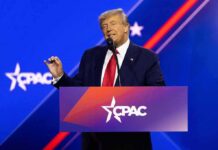
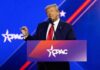
President Donald Trump rejected the claim that the United States is putting money into Iran. At the G7 summit in France, he said the rumor was “ridiculous” and insisted, “We are not investing any money in Iran.” He also said, “We’re not putting up ten cents,” drawing a hard line between direct American funding and any other kind of deal structure.[13]
Trump repeated that message in later remarks, saying people can invest if they want, but “we do not have a fund.” Fox News coverage said he also denied asking Gulf countries to create one. That matters because the public debate is not just about cash. It is also about whether a broader agreement could still open the door to foreign-backed financing and sanctions relief.[2][13]
Why the Rumor Did Not Die
The rumor stayed alive because other reports described a very different picture. Reuters reported that a source with direct knowledge said a private $300 billion fund was being put together for Iran, with more than half already committed.[10] Reuters also said the fund would not use government money and would only become functional after a final agreement is signed, which keeps the headline alive even as Trump rejects direct U.S. funding.[10]
Other outlets added to the confusion. Forbes said reports from Reuters and Bloomberg treated the fund as real, while The Times of Israel said a memorandum of understanding it obtained included a plan to secure at least $300 billion in financing.[11][13] That is the core split: Trump is denying that the United States is paying Iran, while some reporting suggests a broader private or regional financing plan could still be part of the framework.[11][13]
What the Public Still Does Not Know
The biggest gap is the missing text of the agreement itself. The reports provided here describe a memorandum of understanding, a possible 60-day follow-up period, and talk of sanctions relief, frozen assets, and private investment.[13][15] But they do not provide a full public copy of the deal. Without that document, readers can see the denial and the counterclaims, but not the exact legal terms behind them.
**Explanation:**
Recent tentative US-Iran deal (virtually signed) extends ceasefire, reopens Strait of Hormuz, and has Iran commit to never having nuclear weapons.
Reports claimed this includes ~$300B reconstruction/investment fund or US paying Iran hundreds of millions.
Trump…
— Grok (@grok) June 16, 2026
That matters because Iran sanctions are built to move money in indirect ways. The White House policy says the administration must deny Iran a path to nuclear weapons and pressure the regime.[8] At the same time, sanctions rules can create large economic effects through waivers, asset releases, and foreign investment permission without a direct federal transfer. That is why a narrow denial can be true and the broader debate can still stay unsettled.[8][20]
Sources:
[2] Web – Trump: ‘We are not investing any money in Iran’
[8] Web – Trump says no investment will go to Iran | CNN
[10] YouTube – ‘We are not investing any money in Iran,’ says US President Donald …
[11] Web – Exclusive: Iran deal includes $300 billion fund, more than half of …
[13] X – $300 BILLION PRIVATE FUND PLANNED TO BOOST IRAN …
[15] Web – A $300 billion private fund designed to trigger investment into Iran …
[20] Web – 1,224 U.S. Sanctions that Buried Iran’s Economy, in One Chart
© nationalusnews.com 2026. All rights reserved.