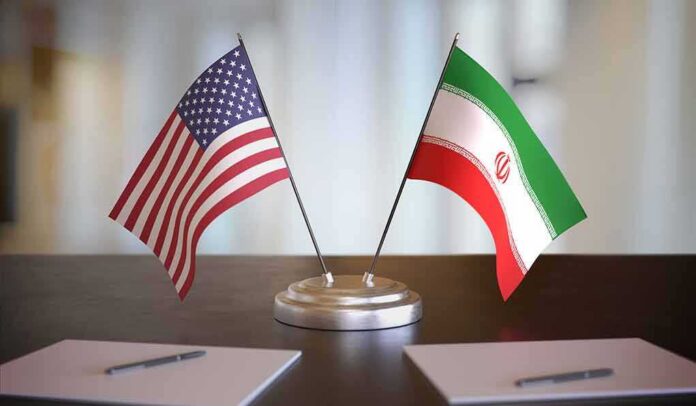
As war jitters grow, the United States and Iran are still trading messages through couriers instead of speaking leader-to-leader, raising the risk of a deadly mistake.
Story Snapshot
- President Trump has pushed for direct talks with Iran since 2025, but contact remains largely indirect.
- Reports say messages still move by intermediaries and couriers, slowing decisions by days.
- Iran has rejected some requests for direct talks and denies claims of rapid progress.
- Skeptics in Washington doubt a near-term deal, even as mediators try to bridge gaps.
What Changed: From Signals of Talks to Stalled Channels
On April 7, 2025, President Trump told reporters the United States would hold direct talks with Iran about its nuclear program, framing negotiation as better than military action. He spoke after meeting Israel’s prime minister and warned Tehran against seeking nuclear weapons. Since then, public claims of direct contact have appeared off and on. Yet much of the current process still relies on middlemen. That gap between stated aim and method helps explain today’s stalemate and confusion.
Recent reporting describes a slow relay system that uses Pakistani officials, phone calls, in‑person visits, and physical couriers to pass messages between Washington and Tehran. Responses can take days. That time lag raises the chance of crossed wires as the situation shifts on the ground. For citizens watching fuel prices, troop alerts, and shipping risks, this is not a process built for speed or clarity. It is a process that invites error when stakes are high.
Tehran’s Stance: Conditions First, Direct Talks Later
An Iranian adviser said Tehran rejected a United States request for direct negotiations before Washington delivered a final response to Iran’s proposal. An Iranian analyst called intermediary talks a limited form of “flexibility” to map issues for future negotiations, but only after Iran’s conditions and an end to war. Iranian officials also pushed back on claims that talks were already productive, saying the described discussions were not taking place. These moves show Tehran managing pace, sequence, and optics.
Arab mediators have told reporters the sides remain far apart and warned against hopes for a quick deal. That matches the slow mechanics of the courier model and the public hard lines from both capitals. It also reflects the political math. Any deal will be judged at home by people who doubt the other side’s word and worry about costs. That includes the risk of looking weak abroad and the risk of higher prices, longer conflicts, and fewer jobs at home if talks fail.
Washington’s Debate: Talk, Pressure, or Both
Inside the United States government, key voices remain wary. Analysts and officials describe the indirect process as cumbersome, and some senior leaders doubt the current Iranian regime can accept a nuclear deal the United States would find safe. A Washington think tank analysis argues that Iran’s past refusal to meet directly slowed the 2021–2022 talks, and that real progress needs leaders in the same room or at least on the same line. The method, not only the message, matters.
Commentators on the right argue diplomacy is unlikely to deliver and say military options must remain on the table. That view finds support when rockets fly and oil routes close. Yet the record also shows that backchannels and direct calls can reduce missteps and open narrow paths to deals. Americans across the spectrum see a deeper problem: when government drifts, regular people pay. They see delay, mixed signals, and rising costs, while elites argue over process and posture.
Why It Matters: Cutting Delay to Cut Risk
History shows that the United States and Iran have used intermediaries to make progress, but long chains can dull urgency and blur intent. Today’s courier model slows choices while events move fast. That invites accidents that could trigger a wider war. A direct leader‑to‑leader channel, even limited to crisis avoidance, could reduce misunderstanding while other talks handle the hard details. It would not promise peace. It would lower the chance of a needless clash.
Trump, Xi and Putin are due to meet in Shenzhen on 19 November, with nuclear arms control and Iran on the agenda. No deal is expected. Three nuclear powers at one table: the easy part is getting everyone a chair. #WorldPolitics #Diplomacy pic.twitter.com/EvR2IfCfVl
— Nobodoy News (@NoboDoyNews) November 18, 2026
For citizens who feel Washington is broken, the test is simple. Are leaders using tools that match the risk? President Trump once said a deal is better than “the obvious” alternative. Iran says it wants terms and sequencing. If both sides truly want to avoid another spiral, they can keep backchannels but add a fast lane. One clear call can save days of guessing—and maybe lives—while professional teams work the fine print.
Sources:
theamericanconservative.com, apnews.com, wsvn.com, usnews.com, aljazeera.com
© nationalusnews.com 2026. All rights reserved.