Six high-impact outages in six days hit flights, banking, cloud email, and even a classified network, exposing how fragile America’s core systems have become while officials insist there was no coordinated attack.
Story Snapshot
- Multiple major systems failed within days, from Microsoft to the Federal Aviation Administration and JPMorgan Chase.
- Officials said there was no evidence of a cyberattack linking the incidents, calling them unrelated failures.
- The Federal Aviation Administration investigated a router change and unusual connection floods tied to a ground stop.
- Experts say change errors and aging infrastructure cause most big outages, not hackers.
What failed, when it failed, and why it matters
NBC News and Politico reported a rare cluster of outages within about a week, spanning Microsoft cloud services, the Federal Aviation Administration’s flight operations, JPMorgan Chase banking, United Airlines, and a classified National Security Agency network. These systems move planes, money, email, and government data. When they blink, people get stranded, payments stall, and trust drops. The pattern fueled public fears of a coordinated attack. Officials and companies urged calm, but they also worked to restore service while causes were reviewed.
Microsoft’s disruption hit Outlook, Exchange Online, and Teams, with the company describing unavailable servers and an overwhelmed secure-connection process that cascaded across systems. That story points to load shifts and stressed services inside the company’s own stack. Microsoft said it would release a post-incident report after mitigation, but a full report was not yet public during early coverage, which limited outside review of the event’s root cause. The gap left room for questions, even as Microsoft downplayed any sign of a hack.
What officials are saying about a possible attack
Senior leaders said the outages were not linked and did not show signs of a coordinated campaign. Politico quoted officials saying there was no public evidence that one attacker tied the events together. Transportation Secretary Sean Duffy said intelligence agencies told him the nationwide Federal Aviation Administration ground stop was not a hack, while the Federal Bureau of Investigation was analyzing the involved router and the root cause review continued. That position aimed to settle nerves, but it also set a high bar for anyone alleging a broader plot.
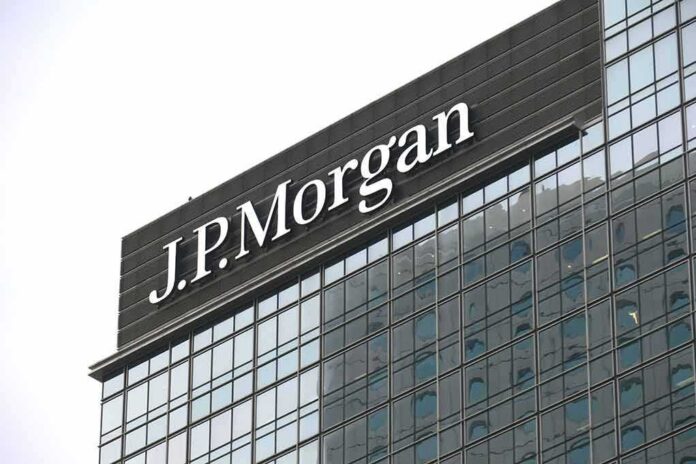
At the same time, agencies and companies shared technical details that pointed to internal faults. Microsoft cited servers going offline and a secure-connection process that overwhelmed affected systems, which fits a cascading failure rather than a flood of outside traffic. JPMorgan Chase called its banking disruption a technical issue, not a cyber event, which suggested a problem within its own environment rather than the payment network itself. The National Security Agency incident was described as maintenance related in early reporting, further separating it from the attack theory.
The unresolved Federal Aviation Administration router case
Transportation Secretary Sean Duffy said switches and routers were overloaded during the Federal Aviation Administration event, with a newly installed router generating roughly 1,000 connection attempts every four to five seconds. Politico said investigators looked at whether contractor L3Harris made an installation error or installed a faulty router, and stressed that the final root cause was still under review during the initial response. The volume and pattern of connections drew attention because an unusual surge can mimic an automated process, but officials did not call it a hack.
2 PM Top-of-the-Hour News
BREAKING THIS HOUR- LARGE BANKS ARE THE LATEST TO REPORT TECH TROUBLE.
CUSTOMERS WITH CHASE, BANK OF AMERICA WELLS FARGO AND OTHERS ARE REPORTING DIFFICULTIES ACCESSING ACCOUNTS ONLINE.
THIS FOLLOWS LAST WEEK'S MICROSOFT OUTAGES AND PROBLEMS WITH… pic.twitter.com/RbPhKtSYCc— Worldwide News Network (@WorldwideNNX) November 16, 2026
That mix of findings captures the public’s core worry. People on the right and the left see powerful institutions fail to prevent obvious risks, then deliver partial answers after the fact. They pay the price in delays, fees, and lost time, while leaders say, “Trust us.” Here, the official line stressed unconnected internal failures, yet one of the biggest events still awaited a full root cause. That gap, however brief, feeds distrust even when there is no clear sign of an attack.
What the data says about why big systems go down
Independent surveys show most major outages stem from configuration mistakes, software bugs, change errors, or vendor problems, not hostile actors. Uptime Institute’s analysis found networking disruptions most often trace back to configuration and change-management failures, with only a smaller share tied to cyberattacks like ransomware or denial of service. That record explains why leaders default to “not a hack” during early response. It also warns that our own complexity, aging gear, and rushed changes can knock out vital services.
How to reduce risk and restore trust
Agencies and companies can narrow the trust gap with fast, thorough post-incident reports and proof of fixes. The Federal Aviation Administration review should publish timelines, change records, and equipment findings once security allows. Microsoft’s promised postmortem should map the chain from server loss to overload and name safeguards to prevent a repeat. Routine transparency will not end outages, but it will give citizens and customers evidence that lessons were learned and controls improved.
Sources:
cnbc.com, cio.com, nbcnews.com, implicator.ai, learn.microsoft.com, apnews.com
© nationalusnews.com 2026. All rights reserved.