Federal judges pressed the Justice Department on why it moved to sideline 20,000 California mail ballots days before the midterms, putting both election integrity and voter confidence on the line.
Story Snapshot
- Justice Department asked California to set aside 20,000 suspected noncitizen ballots; judges questioned the move.
- Research and court reviews find noncitizen voting and mail-ballot fraud are rare, though not zero.
- Experts warn bad data can mislabel eligible voters as noncitizens, triggering false matches.
- Both parties see a system they do not trust; low confidence fuels post-election fights.
What Sparked the Clash in California
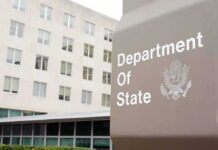
On October 26, a panel of federal appellate judges reviewed a Justice Department push to have California set aside about 20,000 mail ballots linked to people the government flagged as likely noncitizens. The judges questioned the timing, authority, and legal basis for acting so close to Election Day. The department said the state missed a 48-hour review deadline. California officials argued the demand risked tossing valid votes without clear proof. The court has not ruled yet.
The case arrived amid louder claims from President Trump’s allies that noncitizen voting could sway tight races. News outlets reported a wave of messages warning about ineligible voters and mail-ballot abuse. Those messages primed supporters to doubt results if outcomes broke against Republicans. Federal actions and lawsuits made the debate feel urgent, even as many states finished early voting and prepared to count record numbers of mailed ballots.
How Rare Is Noncitizen Voting and Mail Fraud
Independent reviews have found little evidence of widespread problems. A Washington Post analysis reported that court reviews and studies show few significant cases of voter fraud or major irregularities in recent cycles. The same reporting found that noncitizen voting and mail-ballot fraud happen, but in very small numbers that rarely affect outcomes. That does not mean every roll is perfect. It means large claims need strong proof before rejecting ballots at scale.
Experts also warn that the way officials search for ineligible voters can create false matches. If a database has old records or mismatched addresses, a citizen can be flagged as a noncitizen by mistake. Those errors rise when checks run fast under deadline pressure. That risk is one reason judges pressed the Justice Department on process and timing in the California case. The concern is simple: protect the rolls without wrongfully tossing real votes.
What Election Experts Say About 2026 Risk
A VoteBeat survey of 31 election experts found that 30 believe it is unlikely that a significant number of ineligible voters would cast ballots in 2026. The same number said it is unlikely voter fraud could sway a congressional race this year. Those views track with research going back years. They also align with findings that mail systems include checks like tracking, signature review, and secure drop-offs, which make cheating hard and risky.
Specific events can sound alarming yet still reflect error, not a plot. Election-law scholar Rick Hasen pointed to a New Jersey software mistake that registered 6,000 noncitizens, with 400 later voting. He said the incident did not prove criminal intent or a broad conspiracy, and experts have not found one. That example shows how system mistakes can occur and be fixed, while still requiring careful review to protect every valid vote.
Why This Fight Matters to Voters Across the Spectrum
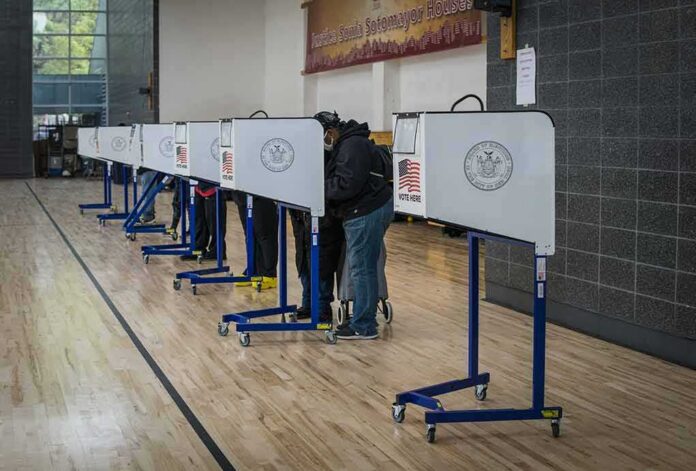
Americans across left and right feel the system serves insiders first and them second. Many think rules are bent for the powerful while regular people wait and worry. Fast, late-stage moves to filter ballots feed that fear. So do sweeping claims that the election is rigged without strong proof. Both paths can depress trust and turnout. They also set up long legal fights that drag on while families face rising costs, crime concerns, and health bills.
Clear, steady rules are the fix most voters want. When officials challenge ballots, they should show specific, testable evidence and give voters a way to cure errors. When leaders claim fraud, they should bring verified data, not vague lists. Courts should act fast and explain rulings in plain words. These steps do not favor one party. They favor people who work hard, vote once, and expect the count to be right the first time.
Sources:
twitchy.com, washingtonpost.com, reuters.com, yahoo.com, cnn.com
© nationalusnews.com 2026. All rights reserved.