President Trump’s vow to “finish the job” on Iran’s nuclear program has pushed an already dangerous undeclared war into even riskier territory, while experts warn the facts on the ground do not match the White House’s talk of total obliteration.
Story Snapshot
- Trump says U.S. strikes “completely obliterated” Iran’s key nuclear sites, and he now wants to “finish the job.”
- Independent nuclear inspectors and leaked intelligence agree the sites were hit hard but say Iran’s program is damaged, not erased.
- Trump has declared the ceasefire and Memorandum of Understanding with Iran “over,” calling Iranian leaders “scum” and talks a “waste of time.”
- NATO leaders and Iran’s government openly dispute Trump’s claims, deepening mistrust of U.S. officials among both allies and ordinary citizens.
Trump’s “finish the job” message and claims of obliteration
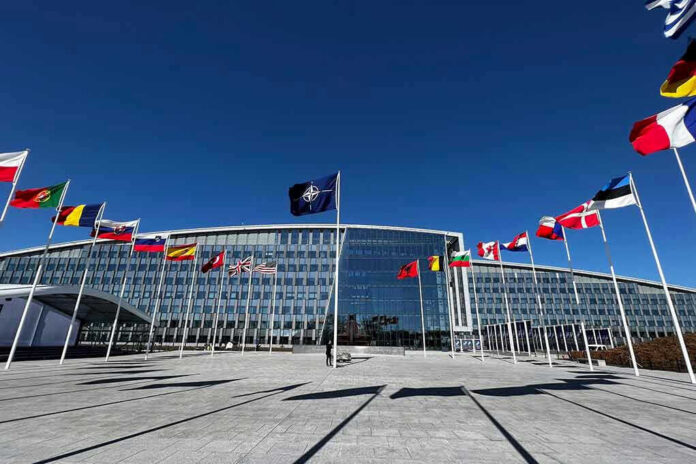
President Donald Trump has framed the June 2025 strikes on Iran’s nuclear facilities as a decisive victory and now says the United States should “just finish the job” against what he calls a still-present threat. Speaking about attacks on the Fordow, Natanz, and Esfahan sites, he told Americans that Iran’s key nuclear enrichment facilities were “completely and totally obliterated” and later repeated that “obliteration” is an accurate term. At the NATO summit in Ankara, he went further, declaring the ceasefire and the Memorandum of Understanding with Iran “over” and calling Iranian leaders “scum” and “sick people,” while saying peace talks are a “waste of time” even as U.S. negotiators are allowed to keep trying. For many Americans already angry at years of foreign wars and mixed messages, this hard-line tone sounds strong, but it also raises a basic question: are these claims true, or is Washington again selling a story that does not match reality?
Trump’s rhetoric fits a pattern that older voters on both the right and left have seen before, from Iraq to Libya. They remember officials promising “mission accomplished” while later reports quietly admitted that enemy programs were only set back, not destroyed. In this Iran case, a leaked Defense Intelligence Agency assessment, reported by major outlets, found that the strikes likely delayed Iran’s nuclear program by only a few months, not decades, and that core parts of the program remained intact. Yet the White House has attacked these reports as “fake news” and insists, without sharing detailed proof, that Iran’s nuclear capabilities were fully eliminated. For citizens who already distrust the “deep state” and big media, this clash of stories only deepens the sense that powerful people are spinning complex events for their own agendas instead of leveling with the public.
What inspectors and intelligence say about damage to Iran’s sites
Independent nuclear experts and international agencies now largely agree that Iran’s nuclear sites were hit hard, but they sharply reject Trump’s talk of total destruction. The International Atomic Energy Agency Director General Rafael Grossi confirmed that Fordow, Natanz, and Esfahan were struck and found “extensive additional damage” at Esfahan, yet he said the damage does not amount to being “consigned to oblivion.” A detailed study by the Institute for Science and International Security, using commercial satellite images, said the main facilities at those sites were “largely destroyed” above ground but noted that Iran’s nuclear program itself is not gone and that key activities and know-how can continue elsewhere. A report for the Center for Strategic and International Studies cited leaked Israeli and U.S. intelligence assessments that called Natanz’s aboveground buildings “completely destroyed” but described Fordow as suffering “major damage” and Esfahan’s underground tunnels as damaged yet still being assessed, again stopping short of Trump’s blanket “obliterated” claim. These careful findings show serious harm to Iran’s program but not the clean, final victory that political speeches promise, which matters greatly when leaders hint at “finishing the job” with even more force.
Iran’s own statements also complicate the picture and show why this dispute worries ordinary people who want safety but also honesty. Iran’s government says Fordow, Natanz, and Esfahan were “seriously damaged” by the strikes, but officials there do not admit total destruction and say some parts of the nuclear program remain. Iran’s supreme leader Ayatollah Ali Khamenei publicly mocked Trump’s destruction claims, writing that the idea that Iran’s nuclear industry was dismantled “exists only in your imagination.” At the same time, Iranian spokespeople have left the door open to talks, suggesting they still see value in diplomacy even after the attacks. Many Americans, including conservatives tired of endless wars and liberals angry about human costs, hear these mixed signals and worry that both governments are playing political games over facts that could drag the country into a deeper, long-term conflict without clear goals or truth.
NATO disputes, media backlash, and growing public distrust
Trump’s Iran comments have also sparked fights with NATO partners and major news outlets, feeding a wider sense that global elites are arguing among themselves while regular citizens bear the risks. At the NATO summit, Trump blasted allies such as Spain for not meeting defense spending targets and ordered trade cuts, while claiming other European countries did not help the Iran strikes. NATO leaders pushed back; Secretary General Jens Stoltenberg highlighted a $215 billion increase in NATO defense spending from 2024 to 2026 and thousands of flights from European bases that supported recent operations, which directly challenged Trump’s story of ally “failure.” Meanwhile, networks like CNN and AP have framed Trump’s harsh language about Iran as “disgusting” and irresponsible, and they feature Iranian officials who condemn his words and question his credibility. For many Americans who already suspect both politicians and the press of serving corporate and defense industry interests, this loud war of narratives between Washington, Tehran, NATO, and big media only confirms their fear that truth is being filtered through money, ideology, and reelection plans rather than shared plainly.
🇺🇸 PRESIDENTIAL SECURITY
President Trump referenced alleged Iranian threats against him during remarks at the NATO Summit, saying he "may be gone" because Iran is trying to assassinate him. The comments are drawing renewed attention to ongoing security concerns.
— Warwatch (@warwatchh) July 8, 2026
Underneath the loud headlines, the deeper problem is simple and troubling: citizens on both sides of the political divide feel they cannot trust what their leaders say about war, peace, or national security. Conservatives who support a strong America First posture still remember long, costly conflicts sold on shaky claims; liberals who oppose more bombing see yet another case where human lives and regional stability are gambled on political image. Experts warn that Iran’s nuclear program is damaged but not destroyed, meaning that talk of “finishing the job” could mean pushing the United States into a wider undeclared war with a country that still has dangerous capabilities and regional allies. When presidents, intelligence agencies, foreign leaders, and big media all offer competing stories about the same strikes, it reinforces the shared belief that the federal government and its partners are failing a basic test: to tell the truth, set clear goals, and honor the principles that once guided American power. Many Americans hear Trump say “Let’s just finish the job” and wonder whether the job is really about safety—or about keeping the war machine and the political class running at full speed.
Sources:
cbsnews.com, apnews.com, thehill.com, instagram.com, cnn.com, rev.com, youtube.com, nuclearnetwork.csis.org, isis-online.org, pbs.org, understandingwar.org, asil.org, facebook.com
© nationalusnews.com 2026. All rights reserved.