Trump has tied every Iranian ship attack in the Strait of Hormuz to a threatened U.S. strike on a bridge or power plant, and the public record now shows both the threat and the widening damage.
Quick Take
- Trump said each Iranian attack on a ship would trigger destruction of “one bridge or power plant.”
- Reuters and AP reported that U.S. strikes were meant to pressure Iran over shipping through the strait.
- Multiple outlets described the hits as damage to civilian infrastructure, not just military sites.
- The White House said the United States was striking military targets, but it has not released target files.
Trump’s Trigger Rule Raises the Stakes
President Trump’s latest warning is blunt and easy to measure. He said that any time Iran shoots at a ship in the Strait of Hormuz, the United States will “bomb and destroy ONE BRIDGE OR POWER PLANT,” including sites near Tehran. That is not vague deterrence. It is a public trigger-and-response rule that links one maritime incident to one infrastructure strike, with no stated case-by-case review.
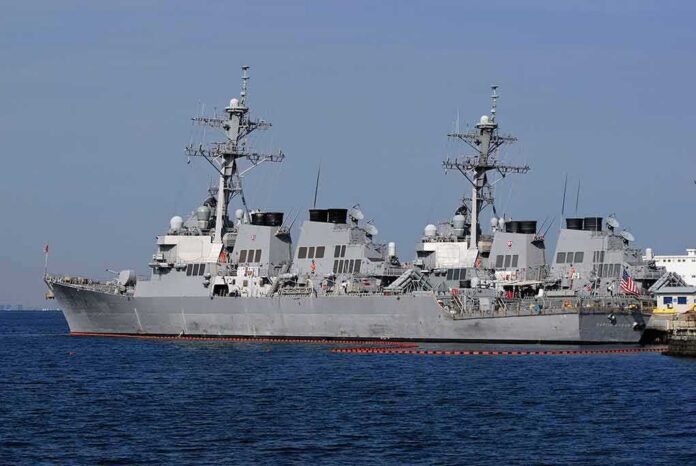
The timing matters because the administration has already framed the campaign as a way to force safer shipping through the strait. Reuters reported that U.S. military strikes were aimed at pressuring Iran to lift its chokehold on the waterway, while AP said Central Command described the attacks as meant to “further degrade Iran’s ability to threaten civilian mariners and commercial vessels transiting regional waters.” In plain terms, the White House is treating the strait as both a battlefield and a pressure point on trade.
What the Strikes Have Hit
Several outlets say the damage has moved beyond clearly military targets. The Guardian, BBC Verify, Al Jazeera, and the Washington Post reported strikes on bridges, energy sites, a pharmaceutical plant, and other facilities that serve civilians. BBC Verify said it confirmed hits on at least three bridges and a pharmaceutical plant over two weeks, while other reports described water, rail, and port infrastructure as damaged. That is why the fight is now about classification, not only about retaliation.
The White House has pushed back by saying the strikes were aimed at military logistics infrastructure. BBC reported that a White House spokesperson said the United States had “carried out strikes exclusively on military targets, including military logistics infrastructure.” But the public record in these reports does not include strike packets, legal memos, or battle-damage reviews for each target. That leaves a major gap between the administration’s legal framing and the objects reporters say were hit.
The Legal and Political Fight Over Civilian Targets
This dispute cuts into a larger problem in modern war. Bridges, power plants, rail lines, and ports can serve both civilian and military uses, so governments often claim dual-use status while critics see civilian harm. Reuters, AP, and BBC all note that the U.S. says these sites help Iran threaten shipping or move military supplies. At the same time, other reports describe them as civilian infrastructure, which makes the legal and moral case harder to settle in public.
(AP) Iran demands “US must permanently end the war, lift its naval blockade of Iranian ports and withdraw its military from the area. It also must ▶️▶️”completely compensate” Iran for war damage, lift sanctions and “unconditionally” release frozen assets.”
(Comment; NO chance… pic.twitter.com/1D3uZ6H1zu
— Ron Strauss, Esq (@RonStrauss1) August 9, 2026
That tension is why the story resonates far beyond the Gulf. Many readers will see a familiar pattern: broad threats from Washington, disputed targets, and little official detail when the public asks how the decision was made. Iran’s officials reject the U.S. account, while U.S. officials insist the strikes are legitimate. The result is a widening credibility gap, with each side using the same shattered roads, bridges, and utilities to tell a very different story about power and restraint.
Sources:
19fortyfive.com, bbc.com, theguardian.com, aljazeera.com, npr.org
© nationalusnews.com 2026. All rights reserved.