Search crews confirmed a debris field from a missing medical jet off Nantucket, turning a rescue race into the first step of an investigation.
Story Snapshot
- The U.S. Coast Guard confirmed debris from the missing Gulfstream G100 air ambulance off Nantucket.
- The jet departed Bermuda for Boston with six people on board, including a four-person crew.
- Search teams covered more than a thousand square miles and worked through the night.
- Officials have not announced a cause; investigators will shift from search to recovery and analysis.
What Officials Confirmed About The Discovery
The U.S. Coast Guard said crews located a debris field off Nantucket and confirmed it is from the missing aircraft. The jet has been described as a Gulfstream G100 used for medical transport. Authorities reported six people were on board for the flight from Bermuda to Boston. The Coast Guard said it would keep searching through the night after the debris find. The confirmation marks a key milestone in the response, but it does not explain what went wrong.
Federal Aviation Administration updates outlined a night-time loss of contact and a rapid launch of a search-and-rescue alert. Reports placed the timing around 1:00 to 2:00 a.m. local time, with the alert issued near 1:20 a.m. The loss of radar and radio contact triggered a multi-agency response. That timeline guided aircraft and cutters toward waters southeast of Massachusetts, where crews later identified debris consistent with the missing jet.
Flight, Route, And Who Was On Board
Officials and outlets said the aircraft departed L.F. Wade International Airport in Bermuda and was bound for Boston. The mission was a medical transport. Reports consistently stated that six people were on board. Some described four crew and two passengers; others cited a patient and a family member alongside a four-person crew. Those descriptions differ slightly on roles but match on the total number of occupants.
Search briefings identified the aircraft type as a Gulfstream G100, a small business jet often modified for medevac use. Operators use this class of jet for speed, range, and cabin space for medical gear. The aircraft’s size and speed can challenge searchers if it goes down over open water at night. That is why early confirmation of debris can be decisive in narrowing the grid and directing recovery efforts to a smaller zone.
Scope Of The Search And What Comes Next
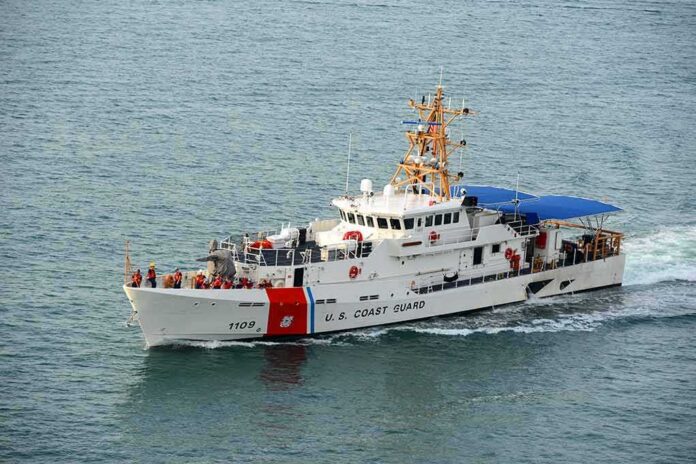
Coast Guard leaders described a wide search area, stretching over roughly 1,600 square miles, with airplanes, helicopters, and boats working set patterns. A fast response cutter also moved through the target box. Crews continued operations after dark with night-vision and radar support. The debris find allowed teams to refine their lanes and prioritize sectors closer to the confirmed field as they looked for people and additional wreckage.
After a debris field is confirmed, the response usually shifts to documentation, mapping, and recovery under the National Transportation Safety Board. The National Transportation Safety Board manages access to wreckage during investigations and releases findings after evidence review. That process can take months. Early steps can include securing floating debris, marking positions, and preserving items that show fire, fracture, or system failure patterns.
Why Early Debris Confirmation Matters
Investigators rely on the first-confirmed debris to anchor the accident scene and start building a timeline. Prior cases show that a mapped debris spread can suggest the angle of impact or whether the aircraft broke up before hitting the water. Later, radar tracks, cockpit voice data, and flight data, if available, help confirm the sequence. The debris confirmation here sets that foundation, even as officials avoid stating a cause until analysis is complete.
Debris found near Nantucket is believed to be from a missing emergency medical plane that lost contact over the Atlantic according to the US Coast Guard.
The flight from Bermuda to Boston carried four Canadians and two Bermudians. — via Al Jazeera, PBS NewsHour pic.twitter.com/Lp0Rgozo9D— United Humans (@unitedhumans) October 4, 2026
This event also highlights a tough truth that many Americans recognize: systems often react, but they do not prevent. Families expect safe skies, strong oversight, and clear answers when tragedy strikes. Crews did their jobs, launched fast, and found what they could. Now the test moves to transparent reporting, steady updates, and a final record that explains what failed. That plain accountability, not spin, honors the people on board and the public they served.
Sources:
abcnews.com, nytimes.com, cnn.com
© nationalusnews.com 2026. All rights reserved.