
U.S. and Israeli planners have drawn up renewed strike options on Iran that include petrochemical and nuclear targets, raising fresh risks for oil prices and regional stability.
Story Snapshot
- Reports say the United States and Israel drafted plans for joint strikes after the midterms.
- Targets reportedly include petrochemical sites and key nuclear facilities such as Pickaxe Mountain.
- The White House says Iran is in “very bad” economic and military shape, signaling perceived vulnerability.
- Analysts warn even limited shipping disruption could drive oil toward $120–$130 per barrel.
What New Planning Says About Intent and Timing
ABC News reported that U.S. and Israeli officials drafted plans to resume coordinated strikes on Iran after the U.S. midterm elections. The plans were attributed to two Israeli sources familiar with the talks. The report linked discussions to a recent visit to Israel by U.S. Defense Secretary Pete Hegseth, where new intelligence was reportedly shared between the allies. The White House publicly ruled out action before the vote but did not dispute post-election planning details described by the sources.
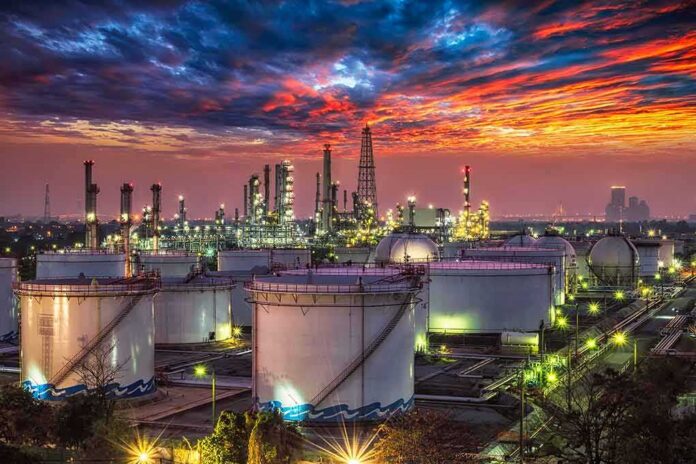
Officials described the proposed targets as petrochemical infrastructure and nuclear-related sites, including a location referred to as Pickaxe Mountain. Strikes on petrochemical hubs would seek to tighten Iran’s economy, which Washington says is already under strain. A spokesperson said President Trump views Iran as being in very bad economic and military condition, a claim offered to justify pressure but not backed with released data in the public record. The reported plan aims to build on an ongoing U.S. blockade to increase costs for Tehran.
How Oil Markets and Shipping Could Be Hit
Energy and shipping routes sit at the center of the risk. The Strait of Hormuz remains a flashpoint, and recent attacks on commercial vessels have kept tensions high. Analysts at Morgan Stanley said that if shipping disruption lasts longer than five weeks and materially limits flows, oil could rise toward $120 to $130 per barrel. They also noted that even modest delays in transit could cut effective capacity by 2 to 3 million barrels per day, tightening global supply.
Market watchers warn that fears alone can lift prices, while actual damage to petrochemical or export assets could move prices faster and higher. Commentary cited by international outlets added that renewed U.S. or Israeli strikes may trigger more proxy attacks on Gulf energy sites, compounding the risk to supply lines and insurance costs. The White House concern about oil prices before the vote, as reported by ABC News, shows leaders know citizens feel price spikes first at the pump and in household budgets.
Military Effects Versus Strategic Endgame
Past strikes show that bombs can slow nuclear work but do not always end it. A public assessment of the June 2025 air campaign found Iran’s enrichment capacity was severely degraded but not erased, leaving core know-how intact. That gap between tactical damage and strategic change is why some experts argue that any new round must align military targets with clear political goals, or risk repeat cycles of repair, retaliation, and more strikes, without a stable outcome.
Israeli and international analysts quoted by major outlets have questioned whether air power alone can accomplish regime change or force lasting compliance. They argue that without a diplomatic track, the odds of escalation are high, and that more pressure may produce more proxy attacks and broader regional blowback. This debate matters for Americans and Israelis alike because open-ended coercion can drain resources, raise energy costs, and keep troops and civilians at risk while failing to deliver a durable finish.
What We Know, What We Do Not
The ABC News reports rely on unnamed Israeli sources and do not include targeting documents, weapons-effect models, or damage projections. The public record has no named Pentagon confirmation of the operational details. Those limits do not erase the core fact that planning talks occurred, but they do narrow what can be said about timing, specific aim points, or likely results. Responsible debate should track new official releases, imagery, or briefings, if and when they emerge.
For citizens, the stakes are plain. If strikes go forward, families could face higher fuel costs, new shipping shocks, and the risk of a wider fight. If leaders hold back, Iran’s nuclear and regional posture remains a concern. The shared worry on the left and right is that Washington may choose a path with big promises but few clear metrics for success. Transparent goals, legal justifications, and realistic end-states would help people judge whether the plan serves the national interest.
Sources:
19fortyfive.com, abcnews.com, cbn.com
© nationalusnews.com 2026. All rights reserved.