
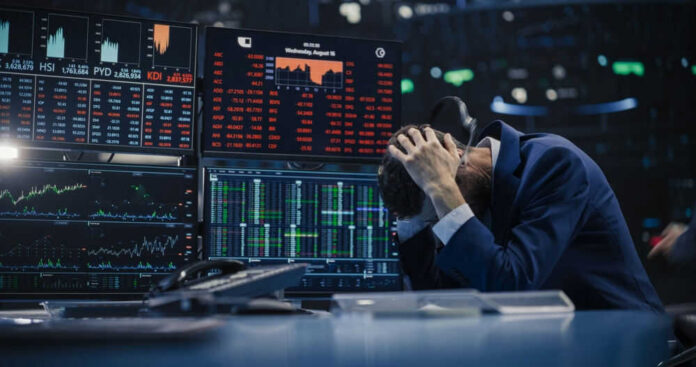
Wall Street fell hard even as Anthropic’s giant debut lifted its own shares, showing rising interest-rate fears now outweigh artificial intelligence hype.
Story Snapshot
- Major indexes slid despite Anthropic’s strong first-day pop.
- Traders priced higher odds of a Federal Reserve rate hike, pressuring stocks.
- AI leaders’ heavy spending and rich valuations fed caution across tech.
- Both macro worries and sector risks drove the sell-off, not one cause alone.
Indexes Drop While a Big AI Debut Fizzles for the Broader Market
Thursday’s trading ended with sharp losses across major indexes, even as Anthropic closed above its initial price after a record-setting listing. Reporters at several outlets said the debut failed to lift wider sentiment, with the Standard and Poor’s 500 and Dow Jones Industrial Average finishing lower on the day. The split outcome captured a simple truth. One star listing cannot offset broad pressure on earnings, borrowing costs, and risk appetite when money gets more expensive.
Anthropic began trading on the Nasdaq and jumped at the open, but that early surge cooled. The company still ended above its offering price, yet investors used strength to lighten risk in other names. By the close, declines stretched across sectors, not just technology. That pattern pointed to market-wide stress rather than a single stock story. Big debuts can shine. They do not guarantee buy-in when fear about the next policy move grows louder.
Rate Expectations Reprice, Squeezing Valuations Across the Market
Traders shifted toward a higher path for interest rates after recent central bank signals, according to Reuters reporting cited across market coverage. Higher rates raise the discount rate investors use, which lowers the present value of future cash flows. That math lands hardest on growth shares that promise profits later. As money markets leaned toward a December hike, equity valuations adjusted in real time. The result was a broad sell-off that overshadowed the fanfare around the initial public offering.
Rising yields also ripple through budgets for companies and households. Firms face higher debt costs. Consumers face steeper rates on cars, credit cards, and mortgages. Those headwinds can slow sales growth and margins. Investors see that risk and cut exposure, especially in parts of the market priced for perfection. That is why even upbeat headlines, like a huge artificial intelligence listing, could not turn the tide. The cost of money set the tone, and it was getting tougher.
AI Theme Faces a Reality Check on Spending, Payoffs, and Concentration
Coverage also flagged investor concern about heavy artificial intelligence spending and stretched valuations among tech leaders. Several reports pointed to doubts about how fast these vast outlays will pay off, and whether profits will match the price tags investors now assign to the biggest firms. When rates rise, those questions feel sharper. The market then marks down ambitious plans that depend on years of rapid growth. That is normal in tightening cycles, and it can be swift.
It's impressive how popular the 4 year cycle actually still is, that people legitimately think this price action is because of a calendar event and not…….
– War
– Compressed business cycle
– Global liquidity
– Fed hiking
– First hike in 3 years
– December hike odds
– Binance…— Dan Gambardello (@dangambardello) November 19, 2026
Economists have warned for months that the market’s artificial intelligence boom could face a rough patch if excitement outran earnings. Some research has suggested risks of a bubble-like setup, or at least a painful reset if results lag the story. That does not mean artificial intelligence is a fad. It means the path from promise to profit is uneven, especially when borrowing costs climb and cash is king again.
Why This Matters for Workers, Savers, and Retirees
Sharp swings like this hit people outside Wall Street. Workers with 401(k) plans see account values fall. Savers earning more interest also see stock exposures wobble. Retirees relying on dividend payments and steady prices can feel both rate bumps and price drops at once. Many readers on the right and the left already doubt that leaders in Washington are focused on stable growth over the long term. Days like this can feed that view as markets react to policy whiplash and big spending plans.
Investors should watch three forces now. First, the Federal Reserve’s next meeting and any clues on the path for rates. Second, earnings guidance from the largest technology and cloud firms with heavy artificial intelligence costs. Third, signs of strain in credit markets as debt rolls over at higher rates. Together, these will set the floor or push the next leg down. One blockbuster listing cannot carry the load if money stays tight and profits take longer to arrive.
Sources:
cnbc.com, newsobserver.com, borsaitaliana.it
© nationalusnews.com 2026. All rights reserved.