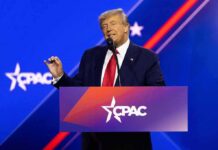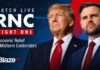

CBS moved to “prebunk” President Trump’s primetime address by airing rapid clips with live fact-checks while streaming the full speech elsewhere, sharpening a fight over who controls the narrative on national television.
Story Snapshot
- CBS cut away from parts of the speech on broadcast, but streamed it unedited online.
- Anchor Tony Dokoupil led a same-hour fact-check special to add context.
- Rivals ABC and NBC declined to air the speech at all, raising stakes.
- Prior editing disputes and legal threats made trust and transparency central.
What CBS Aired And Why It Matters
Brian Stelter reported that CBS planned a “middle-ground” approach for the address. The network would not run the full speech live on its main broadcast. Producers would turn tape quickly and air short clips with context. At the same time, CBS would stream the full, unedited speech on its news channel and social platforms, so viewers could watch it in full if they chose. This split strategy tried to balance speed, reach, and editorial control on a high-stakes night.
CBS Evening News anchor Tony Dokoupil said the speech was newsworthy and that the network had a duty to cover it. He also acknowledged that some viewers argue airing it is irresponsible. CBS scheduled a same-hour special to check key claims from the address, giving real-time context for people watching on the main broadcast feed. This format mirrored a wider trend. Some networks are weighing short taped segments over full, live, unfiltered speeches when claims may be disputed.
How Rivals And Government Pressures Shaped The Moment
The New York Post reported that ABC and NBC declined to air the address at all, while CBS cut away and interwove clips and checks. That split created a stark comparison. To some viewers, CBS looked cautious but open. To others, partial airing looked like control. The White House has also raised legal threats about editing presidential content, framing the stakes as a fight for fairness and against “news distortion,” which can chill newsroom choices under pressure.
Long-running disputes added more heat. Former complaints over “deceitful editing” in a past Kamala Harris interview still cast a shadow over CBS. Trump demanded the government strip the network’s license in 2024, arguing the edit misled voters. Those claims remain in public debate, even as CBS rejected wrongdoing. Each new high-profile edit now lands on a fault line that both parties say proves bias. That history made last night’s decisions more fraught than a normal programming call.
What The Facts Support — And What Remains Unclear
Federal agencies have pushed back on broad claims of foreign-driven election fraud, including a National Intelligence Council review and findings from the Justice Department and the Department of Homeland Security. Those reviews reported no evidence of foreign actors changing votes in 2020. These records shaped why newsrooms expect to test new fraud claims fast, on air, and in plain language when they surface again.
Some key details remain missing. CBS has not released an internal memo that explains exactly how producers chose which clips to air and which to cut, or the checklist used for the fact-checks. There is no official transcript from CBS that marks what was omitted on broadcast. Those gaps limit outside review. They also keep alive calls for side-by-side comparisons of the full stream versus the edited broadcast to judge fairness with hard data, not only reactions.
Why This Resonates With Viewers On Both Sides
Americans across the spectrum worry that elites gatekeep information while everyday people get left out. Conservatives see selective editing as proof that big media filters out their voice. Liberals see unfiltered airtime for false claims as a threat to trust and civic order. Many in the middle suspect the system serves itself first. CBS’s split approach tried to answer all three fears at once, but it still asks viewers to trust editors to pick the clips and to judge the checks.
CNN's Brian Stelter Says CBS Is 'Prebunking' President Trump's Address – Twitchy https://t.co/5q8KsSLnBz
— Dian (@Dian5) July 17, 2026
Paths to rebuild trust are practical and clear. First, publish a full transcript and raw video beside the edited show as a standard step. Second, disclose the fact-check method, including sources and thresholds for correction. Third, invite a neutral media ethics review to audit major packages. Viewers can then compare for themselves. In a time when Congress, agencies, and networks all face trust deficits, simple sunlight will do more than any slogan about balance or “middle ground.”
Sources:
twitchy.com, webpronews.com, firstamendment.mtsu.edu, apnews.com, telegraph.co.uk
© nationalusnews.com 2026. All rights reserved.