Florida’s new SNAP rules now block soda, energy drinks, candy, and many packaged desserts — a sharp test of who decides what poor families can buy with taxpayer help.
Story Snapshot
- Florida won federal approval for a two-year pilot that bans several “junk food” items from SNAP purchases.
- The state began rolling out the restrictions on April 20, 2026, with detailed guidance for shoppers and stores.
- Supporters say the change steers benefits to healthier choices; critics warn it adds stigma and red tape.
- Research on health gains from such bans is mixed, with some studies finding little overall diet improvement.
What Florida Changed And When It Started
Florida secured approval from the United States Department of Agriculture’s Food and Nutrition Service for a two-year demonstration that redefines which foods qualify under the Supplemental Nutrition Assistance Program. The waiver allows the state to exclude soda, energy drinks, candy, and prepared desserts from SNAP purchases. Approval followed a May 29, 2025 request from Florida’s Department of Children and Families and took the form of a time-limited pilot, not a permanent rule change.
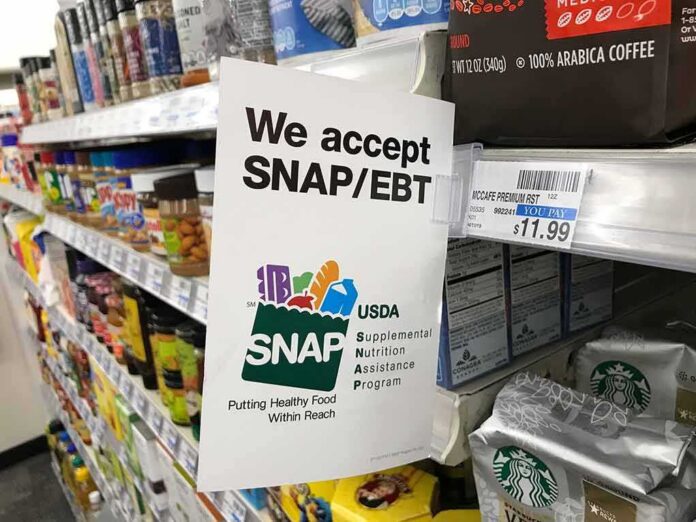
Florida began applying the new limits on April 20, 2026. State “Healthy SNAP” pages and flyers tell households and retailers that soda, energy drinks, candy, and ultra-processed, shelf-stable prepared desserts are now off-limits when paying with SNAP. The materials explain item definitions and timing to reduce confusion at checkout. The state frames the change as a health move to push benefits toward staples, produce, and protein, while still allowing most groceries.
How The Pilot Fits A National Push-Pull
Florida’s pilot sits inside a broader wave of state experiments that the United States Department of Agriculture approved to test food restrictions under SNAP in 2026. A national brief notes that multiple states gained similar waivers, all structured as demonstrations with start dates in 2026. This pattern reflects a long fight over whether SNAP should focus only on hunger relief or also try to shape diet quality through limits and incentives.
That fight cuts across party lines and long-held grievances. Many conservatives argue taxpayers should not fund sugary drinks and snacks, and they want to cut waste and push self-reliance. Many liberals warn that limits will shame families, add hassles, and fail to fix deep food access gaps. Both sides increasingly agree that Washington often pilots rules without fixing root costs, low wages, or soaring grocery prices that keep families on edge month to month.
What Supporters And Critics Both Get Right
Supporters say fewer sugary drinks could help health and free up benefits for better food. Some research finds that when programs restrict sugary drinks, purchases of those drinks go down. That does not prove overall diet gets better, but it shows direct spending on the targeted items can fall under a clear rule. Advocates for limits say a pilot is a careful way to learn before any wider change.
Critics counter that randomized studies and health reviews show a stubborn pattern: soda purchases may drop, but overall diet quality often does not improve in a meaningful way. They also warn of stress, stigma, and checkout fights over what counts as a dessert or an energy drink. One review from the University of Michigan highlighted trials where restrictions did not lead to better total diets and created unintended harms for families under pressure.
Practical Impacts For Families And Stores
Florida’s rollout asks cashiers and families to sort items fast, in real time. That can slow lines, spark arguments, and cause some people to give up at checkout. Anti-hunger groups predict added paperwork, store system changes, and confusion over similar items on the same shelf, which can mean lost benefits or wasted trips. Those concerns focus less on politics and more on daily friction that can hit low-income shoppers hardest.
The state says clear definitions and retailer training will limit chaos and help shoppers plan. Families can still buy banned items with cash, but that creates a new choice: spend scarce dollars on treats, or on essentials not covered by benefits later in the month. That tradeoff is where policy meets real life. If the pilot reduces sugar intake without more stress or hunger, it may spread. If not, it may be rolled back or reshaped by new guidance.
What To Watch Next
Key tests now include error rates at checkout, store compliance, and whether families report more stress. Researchers will track whether total sugar intake falls, not just soda purchases, and whether fruit, vegetable, and protein buying rises. Lawmakers may seek to copy or stop the pilot based on these results. Expect arguments over dignity, autonomy, and the role of the federal government to grow as data replaces talking points over the next two years.
Sources:
fna.usda.gov, wusf.org, healthysnap.myflfamilies.com
© nationalusnews.com 2026. All rights reserved.