America’s top food-aid official says nearly six million people are off SNAP and taxpayers saved billions — a win to some, a warning to others about who gets squeezed next.
Story Snapshot
- Agriculture Secretary Brooke Rollins says fraud crackdowns and stricter rules cut SNAP rolls by almost six million.
- Rollins cites $5.8 billion in prevented losses and thousands of retailers and devices removed from the program.
- Independent research finds work rules reduce enrollment but do not raise employment, suggesting policy — not just fraud — drives exits.
- Anti-hunger groups warn recent laws shift costs to states and push families, including children, off aid.
What Rollins Claimed About Fraud, Savings, and Caseloads
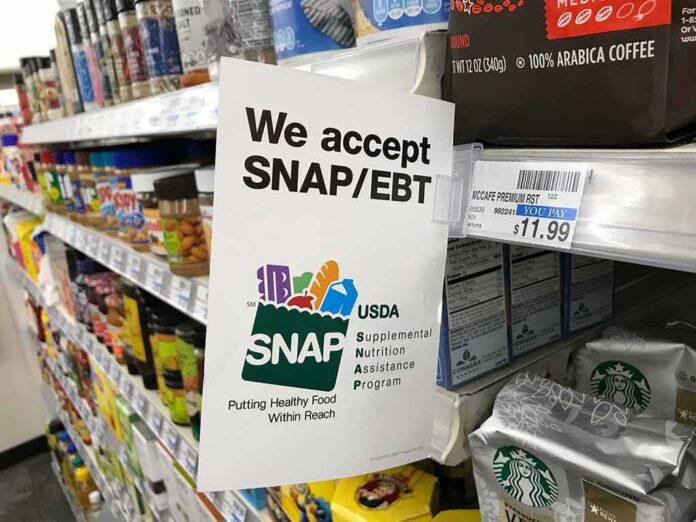
Agriculture Secretary Brooke Rollins said the United States Department of Agriculture cut the Supplemental Nutrition Assistance Program rolls by almost six million people since President Trump took office. She credited tighter work rules, weeding out ineligible recipients, and anti-fraud actions. Rollins also touted $5.8 billion in “taxpayer losses prevented,” along with action against illegal payment devices and fraudulent retailers, pointing to posts and interviews highlighting those figures. Supporters call this overdue stewardship of public money.
United States Department of Agriculture talking points focus on program integrity. They argue the agency shut down thousands of bad actors and blocked schemes that drain benefits. Rollins and allied outlets frame the shift as proof that stronger oversight protects workers who fund the program and directs help to those who qualify. In that account, smaller SNAP rolls reflect cleaner books, stronger accountability, and a job market that can absorb more people leaving assistance.
What Independent Evidence Says About Why People Leave SNAP
Academic and policy research shows another driver behind falling SNAP rolls: stricter work requirements and added red tape. Major reviews find these rules reduce participation by large amounts but do not raise employment in a lasting way. Brookings reported that work requirements “do not increase employment,” even as they cut enrollment among targeted adults by large shares. That means many exits happen because rules tightened, not because fraud was uncovered or jobs surged.
Studies also show administrative burdens matter. Harder paperwork and frequent check-ins can push eligible people off, then they churn back later. That dynamic lowers the monthly count but does not reflect lasting self-sufficiency. When states reduce those burdens, participation stabilizes among eligible families. This evidence helps explain why headline enrollment drops often outsize any measured fraud rates, which are a smaller slice of total benefits.
Why The Stakes Feel High for Both Sides
Supporters of the crackdown say taxpayers deserve protection, and honest retailers and recipients do too. They view fraud claims, device seizures, and retailer bans as proof that tough oversight pays off. They also argue that work-capable adults should reconnect to the labor market rather than rely on aid long term. That frame resonates with voters who are angry about inflation, high taxes, and a sense that the system rewards rule-breakers over strivers.
Bottom line up front: The claim cited in shared post—that "6 million Americans were kicked off SNAP"—is supported by data, though the exact figures fluctuate over time. As of May 2026, SNAP participation dropped from approximately 43 million in January 2025 to 36.5 million, a… https://t.co/BeVFi502jl
— THE WORLD CORRESPONDENT (@TheWorldCorresp) September 21, 2026
Critics counter that the biggest changes came from new laws that shift costs to states and impose stricter limits. The Center on Budget and Policy Priorities says those changes pushed millions off or reduced help, hitting families with children and low-wage workers. They warn that rising food prices and unstable hours make it easy to lose benefits due to paperwork or time limits, not fraud. They fear state budgets and food banks will bear the load as federal aid shrinks.
What To Watch Next: Data, Definitions, and Real-World Impact
Clear breakdowns can help the public judge results. The United States Department of Agriculture could publish separate counts for fraud removals, ineligibility findings, work-rule timeouts, and administrative closures. Independent audits could confirm savings and arrests and compare them to total exits. States could report how many people regain benefits after short gaps. Without those details, a single “six million off” headline can blur very different stories about integrity, efficiency, and hunger.
Sources:
mediaite.com, theepochtimes.com, x.com, commondreams.org, cbpp.org, frac.org
© nationalusnews.com 2026. All rights reserved.