The Supreme Court cleared the way for President Trump’s mail-in ballot order to move forward before the midterms, but only on a procedural pause, not a final win on the law.
Story Snapshot
- Supreme Court lifted a block, allowing limited implementation while lawsuits continue.
- Justices said the case was not ready on standing and ripeness, not that the order is legal.
- States and voting groups argue the order oversteps presidential power and risks disenfranchisement.
- Postal Service proposals and agency actions now face renewed court scrutiny before November.
What The Supreme Court Actually Decided
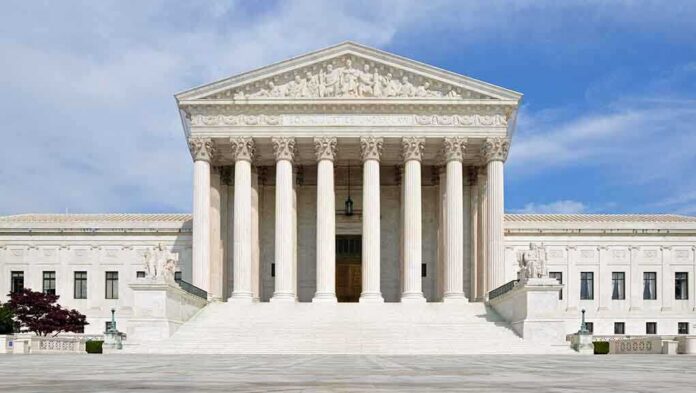
On August 24, the Supreme Court removed a lower court’s block on parts of President Trump’s March executive order on mail-in voting. The unsigned order said the states’ lawsuit was not ready for a court decision because it lacked a concrete injury now. That reasoning turned on the doctrines of standing and ripeness. The Court did not decide if the order is legal. It only allowed the government to proceed for now while the case continues.
The order noted that future actions under the policy could face new lawsuits. If an agency issues a directive that clearly harms states or voters, those plaintiffs could bring a fresh challenge. That warning signals that later steps by the Postal Service or other agencies may return to the justices quickly. The ruling opened a path, but it did not bless any future rules or enforcement. It kept the door open to more fights before ballots go out.
What Trump’s Order Tries To Change
The executive order tasks federal agencies with shaping who can receive a mail ballot through the Postal Service. The White House summary describes states notifying the Postal Service if they use mail voting and supplying lists of eligible voters before federal elections. The Postal Service, in turn, proposed changes to its mailing standards tied to ballot transmission. These steps could affect how, when, and to whom ballots move through the mail this fall.
Supporters say these changes verify citizenship and improve integrity. Critics say they shift election control from states to federal agencies. The key dispute is basic: the Constitution gives Congress and state legislatures power over election rules, not the president alone. That is why the state lawsuits argue the order exceeds executive authority and interferes with state mail voting systems by using the Postal Service as a gatekeeper.
Why The Case Is Likely Coming Back
Election cases often turn on timing. Courts want concrete harm, not guesses about future problems. The Supreme Court said the states’ claims came too soon. But the justices also said that if an agency later issues a harmful directive, states or voters could sue and likely have standing. That means any final Postal Service standard that blocks ballot delivery could trigger fast new filings and emergency requests for relief before November.
States and voting-rights groups plan to press the core merits next. They argue the order could deny mail voting to people who rely on it, like some voters with disabilities, military families, and citizens overseas. They also argue that federal databases used to filter voters are outdated, which could wrongly keep ballots from eligible voters. These claims will test whether federal agencies can decide who may receive a state ballot through the mail.
What It Means For Voters And Election Workers
Election officials now face another period of change. Agencies may attempt to implement parts of the order quickly, even as courts review each step. This creates pressure on local offices that print ballots, build voter lists, and plan mail deadlines. Confusion raises costs and the risk of mistakes. The Court’s narrow ruling leaves voters and clerks watching for new rules that could change how ballots are sent and returned close to Election Day.
COURT NEWS
Supreme Court allows Trump administration to move forward with order imposing restrictions on mail-in voting
ByAmy Howe
Aug 24, 2026The Supreme Court on Monday afternoon cleared the way for the Trump administration to begin implementing an executive order, signed…
— Fokoleta Fokoleta (@1Fokoleta) August 26, 2026
For citizens across the spectrum, the pattern feels familiar. Washington moves fast through executive action. States and rights groups sue. Courts issue late rulings that shift plans again. Many see a government that cannot deliver clear, stable rules for a basic civic act. The Supreme Court’s message is simple: come back when there is a real, present harm. Given the Postal Service proposals and the stakes of November, that return trip seems likely and soon.
Sources:
npr.org, thehill.com, govinfo.gov, reuters.com, apnews.com, democracydocket.com
© nationalusnews.com 2026. All rights reserved.