
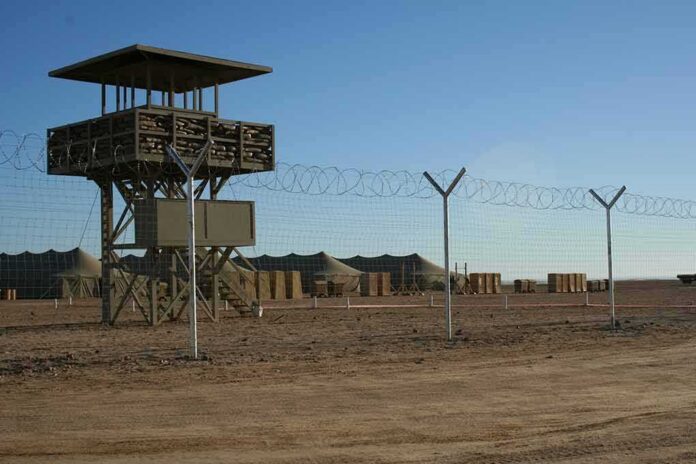
Poland says Washington is moving ahead on a new U.S. Army base, but formal decisions and a site are still not public.
Story Highlights
- President Trump said “major progress” is underway on a U.S. base in Poland.
- U.S. and Polish teams are working on a plan that could house about 10,000 troops.
- Polish leaders say funding and locations are on the table, but no site is named yet.
- A permanent U.S. presence already exists in Poland, adding to the policy mix.
Trump Signals Progress, But Stops Short of a Final Decision
President Trump said on social media that “major progress” is being made toward a U.S. Army base in Poland and called it a “historic step” for the alliance, while adding that the location would be announced “if this happens.” Reuters reported his statement on September 17, noting the conditional language and ongoing talks. That framing suggests momentum at the White House level, but not a completed move. The message still matters, as it sets political expectations in both countries.
Polish officials have treated the project as active and concrete. Reuters reported in June that Poland’s defense minister said the U.S. Department of Defense was open to a permanent presence in Poland, while also saying a decision had not been taken. That stance shows alignment in principle. It also underscores the gap between public intent and signed basing orders. The administration is also reviewing U.S. force posture in Europe, which could shape timing and scope.
What a New Base Could Look Like and Who Pays
Politico reported that U.S. and Polish officials are working on an American base in Poland that could house about 10,000 troops, which would mark a major shift in Europe’s deployments and a clear signal toward Russia. Polish media and officials have discussed funding responsibilities. Radio Free Europe/Radio Liberty reported a Polish official said the government would cover infrastructure costs and pay $15,000 a year per U.S. soldier, funded by Polish taxpayers. Those numbers frame the price tag for voters in both nations.
Polish leaders have also discussed the likely scale of investment. Reports in Polish outlets said the project could cost roughly $3 billion, with Poland pledging to fund a new base as part of the package. That burden-sharing pitch lines up with long-running debates in Washington and among allies about defense costs. It also plays to a broader public mood that wants more accountability on big-ticket security plans. Clear contracts, timelines, and oversight would help avoid waste and delays that fuel distrust.
Site Search and Timing: Locations Floated, No Final Pick
Officials have named possible cities but not a final location. CBS reported Poland’s defense minister identified Poznań and Wrocław as candidates, while stressing that no site or timetable has been announced. Polish and American teams have continued site visits and planning, while a Europe-wide force review proceeds in Washington. Polish Radio reported that a decision is unlikely before the review ends late this year and said the final call rests with President Trump. That process sets expectations for when to look for firm news.
Until signatures are on paper, key details remain open. Reports have not laid out command authority, construction phases, legal terms, or how the base would integrate with current units. Those specifics decide whether this is a brand-new installation or an upgrade to existing hubs. Without them, public debate can confuse a “permanent presence” with a “permanent base.” That distinction matters for budgets, local impact, and long-term commitments that taxpayers fund and troops live with.
Why This Matters to Both Skeptics and Supporters
Poland already hosts an enduring U.S. footprint. The government’s own summary points to a permanent American presence announced at a prior North Atlantic Treaty Organization summit, and the U.S. Army created U.S. Army Garrison Poland in 2023 to support operations on the eastern flank. That background shows a steady build. The new plan, if approved, would harden that posture further. Supporters see stronger deterrence. Skeptics want proof of a clear mission, limits, and real cost control.
🔴 Poland says US decided on permanent military base; Pentagon won't confirm
Paweł Ksawery Zalewski, Poland's secretary of state at the Ministry of National Defence, told an audience in Washington on Friday that "we understand that decision has been made" on a U.S. base in… pic.twitter.com/zfcReRbvyf
— NewsTongue (@NewsTongueX) September 26, 2026
The politics are familiar. Leaders highlight strength and alliance unity, while formal basing documents and budgets trail behind. That gap can fuel doubts across the spectrum. Many Americans see big promises, slow delivery, and hidden price tags. Many Poles see urgent threats and want ironclad U.S. ties. The test now is simple: release the decision documents and funding lines, name the site, and explain the mission. Clear terms can build trust and avoid another confusing, open-ended promise.
Sources:
defenseone.com, politico.com, thehill.com, cbsnews.com, gov.pl, reuters.com, home.army.mil
© nationalusnews.com 2026. All rights reserved.