Prosecutors say a minivan jumped a North Hollywood sidewalk and killed three longtime street vendors, and the driver now faces three murder counts.
Story Snapshot
- Los Angeles County prosecutors charged Ihor Demianenko with three counts of murder and two DUI-related felonies.
- Police say the minivan veered off Lankershim Boulevard and struck vendors and pedestrians near the Metro station.
- Officials allege Demianenko’s blood-alcohol level was more than three times California’s legal limit.
- The case highlights California’s “Watson” murder theory for deadly DUI crashes.
Charges Filed After Deadly Sidewalk Crash
Los Angeles County prosecutors charged 61-year-old Ihor Demianenko with three felony counts of murder and two felony counts tied to drunk driving. The complaint also lists driving under the influence causing injury and driving with a blood-alcohol level of at least 0.08 percent causing injury. Officials say the crash on November 10 killed three women who worked as street vendors near the North Hollywood Metro station. Two more people suffered serious injuries during the same event.
The Los Angeles County District Attorney’s Office said Demianenko’s blood-alcohol level allegedly measured more than three times the state limit. Officials did not release the exact number. The office also announced a multi-million dollar bail and noted that Demianenko is presumed innocent unless proven guilty in court. The arraignment was delayed as the case moved through early hearings. Court filings list the case number as 26VWCF02111.
What Police Say Happened On Lankershim Boulevard
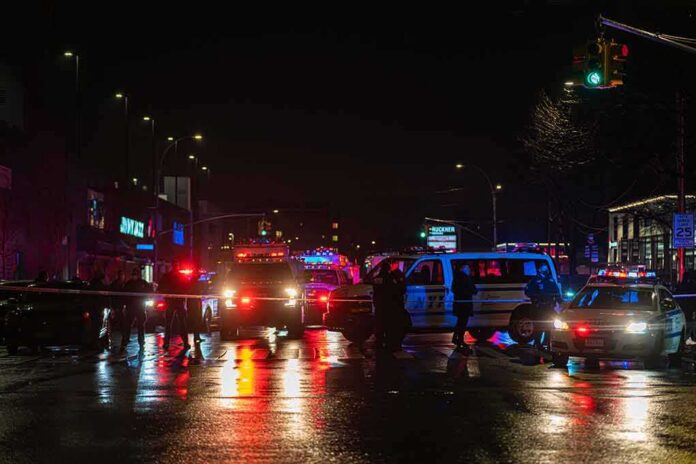
The Los Angeles Police Department described a fast-moving sequence near Lankershim and Chandler. Investigators say a white Toyota Sienna headed south at an unsafe speed, veered right, left the roadway, hit a pole, and then struck pedestrians and food vendors on the sidewalk. First responders found a chaotic scene and tried to save victims. The crash killed three women who, according to local reports, had worked that stretch for years and were well known in the area.
News coverage identified Demianenko as the driver detained at the scene and later booked on suspicion of murder and driving under the influence. Police reports and television coverage linked the vehicle to the November 10 collision near the North Hollywood transit hub, a busy corridor with heavy foot traffic throughout the day and evening. Officials emphasized that the investigation continued as prosecutors filed formal charges a few days later.
Why Prosecutors Filed Murder Instead Of Manslaughter
California law allows prosecutors to charge second-degree murder in some deadly drunk driving cases under a concept known as implied malice. Courts often call these “Watson” murders, based on a 1981 California Supreme Court decision. Under this theory, the state must show a dangerous act and that the driver knew the risk to life and still chose to drive, showing a conscious disregard for that danger.
District attorneys across the state have used this approach for years. Appellate courts have said the theory still applies when the facts support it. The question usually turns on the driver’s actions and awareness of the risk at the time. Prosecutors say the North Hollywood case fits that legal path, which is why they filed three murder counts after the crash by the Metro station.
Community Grief And Broader Public Concerns
Neighbors and commuters built memorials near the crash site and shared stories about the victims, who had served food at that corner for a long time. The deaths struck a nerve across the city. People saw a simple, public place where folks work hard, often with low profit and few safety nets, turned into a deadly zone in seconds. That picture fuels a wider frustration that basic public safety feels fragile and that the system does not protect the most exposed workers.
Many Americans, right and left, see a pattern when tragedy and the legal system collide. They worry about slow cases, unclear communication, and a sense that powerful people face one set of rules while regular people face another. This case also touches long-running fights over street vending, policing priorities, and how cities balance mobility, alcohol access, and pedestrian safety. People want firm justice and steady prevention, not press releases after the fact.
What To Watch Next In Court
Early hearings will address arraignment, bail, and the first steps in discovery. The defense and prosecution will likely focus on crash mechanics, toxicology, and the legal standard for implied malice. Police statements mention unsafe speed and a roadway departure, but they do not quantify speed in public reports. Officials alleged a very high alcohol level, but they have not released the exact test number. Those details often shape how a jury views intent and risk.
The judge will set a schedule for motions and evidence. The state will need to connect driving behavior, alcohol evidence, and the driver’s knowledge of risk to meet the murder charge standard. Families of the victims will push for accountability. The defense will test the state’s evidence and the chain of custody for any lab work. The public will look for consistent facts as the case moves from headlines to sworn testimony.
Sources:
nypost.com, lacounty.gov, latimes.com, cnn.com, da.lacounty.gov, people.com, www4.courts.ca.gov
© nationalusnews.com 2026. All rights reserved.