San Francisco’s big Fourth of July party ended with thousands stuck in gridlock, stalled robotaxis, and a city government that looked badly unprepared for the crowds it invited.
Story Snapshot
- Dozens of Waymo driverless cars stalled after the Golden Gate Bridge fireworks and some had to be towed.
- One occupied Waymo drove over a lit firework, and another empty vehicle caught fire, though no one was hurt.
- Mayor Daniel Lurie admitted serious delays for more than 100,000 people and promised changes.
- Reports of long lines and too few toilets added to anger over how the city planned the event.
Fireworks show turns into hours of gridlock
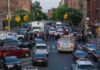
San Francisco’s Fourth of July fireworks over the Golden Gate Bridge drew more than 100,000 people to the Presidio and nearby streets, but the trip home turned into a nightmare of standstill traffic and confusion. Video and eyewitness reports show cars barely moving for hours as families tried to leave the area. Many residents say they saw little to no active traffic control by the city, even though this was a planned, city-supported event, and the crowd size was known in advance.
Alongside the traffic mess, people complained about basic crowd support, including reports of very long lines for a limited number of portable toilets. One widely shared claim said there was only one toilet for every 787 people in the area, but no official city document has yet confirmed that exact number. Even without a verified figure, public comments describe families waiting a long time for bathrooms, adding to frustration that officials did not plan properly for a huge public gathering.
Waymo robotaxis stall, get towed, and drive over fireworks
In the middle of the jam, dozens of Waymo driverless vehicles became stuck on Presidio streets after the show ended. The company says extreme traffic congestion and unplanned road closures disrupted normal operations and left several robotaxis idling in place until their batteries ran down. Video verified by national outlets shows at least a dozen stalled Waymo cars, many Jaguar I-PACE models, lined up without moving as other drivers tried to squeeze around them in the dark.
Waymo’s roadside assistance crews had to come into the gridlocked area to tow disabled vehicles away so traffic could slowly clear. A spokesperson said the company is “evaluating ways to strengthen Waymo’s resilience in major traffic disruptions,” and stressed that no injuries were reported. The company has faced similar problems before, including a December power outage that shut off traffic lights and led Waymo to pause service rather than risk cars stuck at dark intersections.
Firework incidents highlight safety fears
One of the most alarming moments came when an occupied Waymo drove directly over a lit firework that was exploding in the street. Video posted online shows sparks shooting up as the vehicle rolls over the device, leaving passengers shaken. Waymo later confirmed the incident, saying the car was not damaged and riders were unharmed, but is now reviewing sensor data and safety systems to understand why the vehicle did not stop before hitting the firework.
In a separate case that night, an unoccupied Waymo vehicle also drove over fireworks and caught fire, according to company and local news reports. Fire crews responded, and again no injuries were reported. These events feed wider worries that autonomous systems may not recognize unusual hazards, like illegal street fireworks, even when those hazards are common during holidays. National studies already show driverless cars struggle with odd road closures and sudden changes during major events, raising questions about how they handle real-world chaos.
Mayor’s response and growing anger at city planning
Mayor Daniel Lurie, a supporter of autonomous vehicles, publicly acknowledged that “with more than 100,000 people in the area, some people experienced delays getting home.” He said the city will talk with public and private partners, including companies like Waymo, to make sure the experience is smoother next time. So far, however, the Department of Emergency Management has not released a detailed traffic or crowd-control plan from the event, leaving many basic questions unanswered.
GRIDLOCK: Were you caught in the post-fireworks traffic? How long did it take you to get home? 🎇🚘
Getting out of the Marina and Presidio after San Francisco’s Golden Gate Bridge fireworks show took hours for many people as traffic came to a standstill.
Multiple Waymo… pic.twitter.com/heyIAcmMp6
— Betty Yu (@bett_yu) July 5, 2026
Local and national coverage has focused heavily on the robotaxis, but many residents see a deeper problem: a government that calls people out for a big show and then cannot handle the basics of moving them, protecting them, or even giving them enough bathrooms. For conservatives, this looks like another case of tech hype and poor planning by urban leaders. For liberals, it fits a pattern where everyday services fail while big promises about innovation and equality go untouched. For both, it reinforces the feeling that the people in charge are not living with the consequences of their decisions.
Autonomous cars meet fragile infrastructure
Experts note that incidents like this are often less about a single company’s software and more about how fragile city systems become under stress. When streets are jammed, cell service drops, or signals fail, autonomous vehicles tend to default to very cautious behavior, such as stopping and waiting for clear instructions. That design can be safer in theory, but in practice it can freeze traffic and worsen gridlock, especially when dozens of driverless cars all react the same way at once.
Studies of autonomous vehicle crashes in California show patterns tied to weather, lighting, and unusual road conditions, not just basic driving mistakes. At the same time, research on public attitudes finds that people blame self-driving cars more than human drivers for the same kind of mishap. On July 4, those two forces met in San Francisco: an overstressed city system and a robotaxi fleet that could not adapt smoothly. The result was long hours of gridlock, scared passengers, and another hit to public trust in both tech companies and the officials who oversee them.
Sources:
nypost.com, youtube.com, kiss1079.iheart.com, nbcnews.com, reddit.com, instagram.com, tsr.international, sciopen.com, library.hbs.edu
© nationalusnews.com 2026. All rights reserved.