Democratic wins across red and purple states came with a blunt warning: beating Trump does not fix families’ bills by itself.
Story Snapshot
- Democrats flipped seats in states that rarely back them, but voters still want lower costs.
- Charlamagne tha God urged Democrats to focus on paychecks and safety, not victory laps.
- Roland S. Martin challenged a disputed health premium anecdote and pressed for policy clarity.
- Exit polling showed many votes were against Trump, not a full policy mandate.
What Sparked The Warning About Complacency
Post-election talks on The Breakfast Club highlighted a simple test for leaders: make life more affordable. Guests said voters want more money in their pockets and safer streets, and that slogans do not pay for gas, food, or health care. House Democratic Leader Hakeem Jeffries said opposing President Trump will not “automatically solve everybody’s problems,” and called the next year an audition for leadership. Those comments tracked with voters’ focus on costs and security.
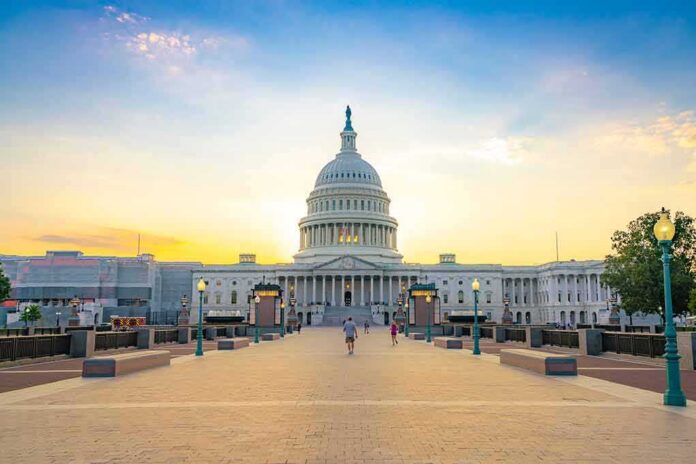
Election-night coverage underscored the tension. Democrats won control of Congress and flipped Senate seats in places long seen as Republican territory, including Kansas and Texas, which last elected Democratic senators in 1932 and 1988, respectively. That map tempts party leaders to claim a lasting realignment. But broad wins can mask thin mandates, especially when many ballots were cast to check a president rather than to endorse a full policy plan.
What The Results Actually Say About Voter Priorities
Local reporting from the flipped states showed Democrats running on affordability. In Kansas, the winner emphasized cutting health care costs, tackling tariffs, and restoring food assistance, signaling that kitchen-table issues led the way. An exit poll cited opposition to Trump as a major factor for many voters, but it also flagged frustration about inflation, gasoline prices, and the conflict with Iran. The mix suggests voters want immediate relief more than partisan points.
Research on midterm elections backs that reading. Studies find voters often judge the party in power on economic results, not message finesse. When prices rise or paychecks feel thin, the president’s party tends to pay a price, and the other party benefits without earning a blank check to govern. That pattern warns both sides: wins fade if grocery bills, premiums, or energy costs keep climbing without a clear fix.
The Policy Dispute Exposed On Air
Roland S. Martin criticized Charlamagne tha God’s shutdown and health care commentary, calling a cited premium example “beyond idiotic,” and arguing the increases were scheduled marketplace changes, not caused by the shutdown. He urged Democrats to explain the stakes and hold the line on subsidies to prevent lasting harm. The factual dispute over one anecdote does not erase the core public concern: families still face rising premiums and deductibles, and they want concrete action.
Both arguments point to the same bottom line. If Democrats treat the map as proof that messaging won, they risk missing the material test voters set. If Republicans assume the backlash will fade on its own, they overlook the pressures that fueled it. Many Americans believe elites in both parties protect their own power while households juggle higher costs. Clear, funded plans that cut prices and reward work are the only antidote to that shared distrust.
What To Watch Next In Congress
Watch whether new committee chairs move fast on three fronts: lowering health care costs, cutting junk fees and drug prices; easing tariff-driven price spikes that hit small businesses and consumers; and restoring or reforming safety-net supports with work incentives and fraud safeguards. Election-night promises in flipped states make these tests urgent. Voters will grade results by spring: smaller bills, shorter waits, safer neighborhoods, and a paycheck that goes further.
Sources:
dispatch.com, cbsnews.com, oregonlive.com
© nationalusnews.com 2026. All rights reserved.