
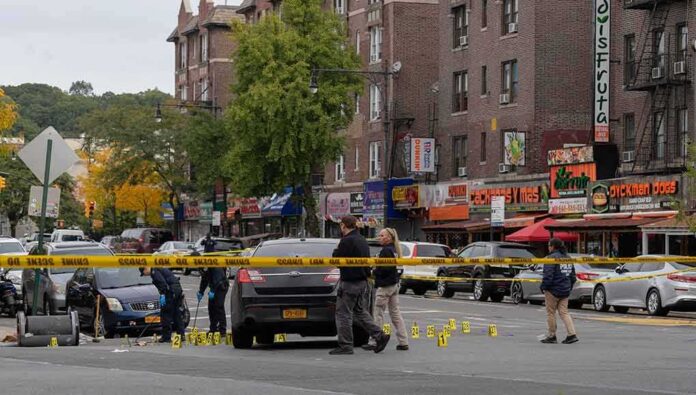
Maryland’s attorney general released body-camera video showing a man running toward Hagerstown officers before they fired, after first using Tasers and giving commands.
Story Highlights
- Independent Investigations Division released body-camera footage from the October 23 fatal shooting.
- Officials identified Sergeant Thomas Wolfe and Officer Mason Kiessling as the involved Hagerstown officers.
- Investigators recovered two knives at the scene, matching accounts that edged weapons were involved.
- Authorities said officers gave commands and deployed Tasers before firing their guns.
What the Released Video and Records Show
The Maryland Office of the Attorney General’s Independent Investigations Division released body-camera footage from an October 23, 2026 police shooting in Hagerstown. The video, along with state releases and local reports, shows a fast-moving encounter after a nearby apartment fire call. Footage depicts the man, identified as 60-year-old Maury Jackson, running toward at least one officer as commands are issued. Officials said officers first tried Tasers, and then fired when that did not stop the advance.
State officials identified the Hagerstown Police Department officers as Sergeant Thomas Wolfe, an 11-year veteran, and Officer Mason Kiessling, a one-year veteran. The Independent Investigations Division stated the case remains active. The office requested additional video from the public to aid the review. That process is standard for the unit, which handles fatal police-involved incidents statewide and releases updates during ongoing inquiries.
Key Evidence Collected So Far
Investigators reported recovering two knives at the scene, which aligns with accounts that knives were part of the threat officers faced. The body-camera footage offers a clear sequence: officers issue commands, attempt a less-lethal option, and then use their firearms when the charge continues. Officials have not detailed the number of shots or which officer fired first. Those specifics are often addressed later in forensic and medical findings after interviews and lab work are complete.
Local coverage of the footage described Jackson running toward at least one of the officers before shots were fired. The state’s releases emphasize that the Independent Investigations Division conducts a separate review from the local department, with its own evidence collection and public updates. That structure aims to add independence to a type of case that often stirs strong reactions and close public scrutiny.
Why This Case Resonates Nationally
This encounter follows a common pattern seen in many police shootings: an armed person, verbal commands, a try at less-lethal force, and then gunfire when the perceived threat does not stop. The core legal test focuses on the moment deadly force is used and whether officers reasonably faced an imminent threat. Research shows that people can watch the same body-camera clip and still disagree on distance, danger, or timing, which shapes how they judge an officer’s actions.
🚨 BODYCAM FOOTAGE RELEASED: HAGERSTOWN POLICE FATALLY SHOOT MAN WHO CHARGED OFFICERS WITH TWO KNIVES
The Maryland Attorney General’s Independent Investigations Division released bodycam footage Tuesday showing the fatal October 23 police-involved shooting of 60-year-old Maury…
— MDBayNews (@MDBayNews) November 26, 2026
Americans across politics see a system that too often fails them. Many think the government shields its own and moves too slowly on hard facts. Independent review and timely video releases matter because they help people judge events for themselves. In this case, the state released footage, identified the officers, and confirmed key evidence. The next steps—final findings, forensic details, and full timelines—will decide if the force met the law’s standard.
Sources:
thegatewaypundit.com, oag.maryland.gov, heraldmailmedia.com, foxbaltimore.com, dailyvoice.com
© nationalusnews.com 2026. All rights reserved.