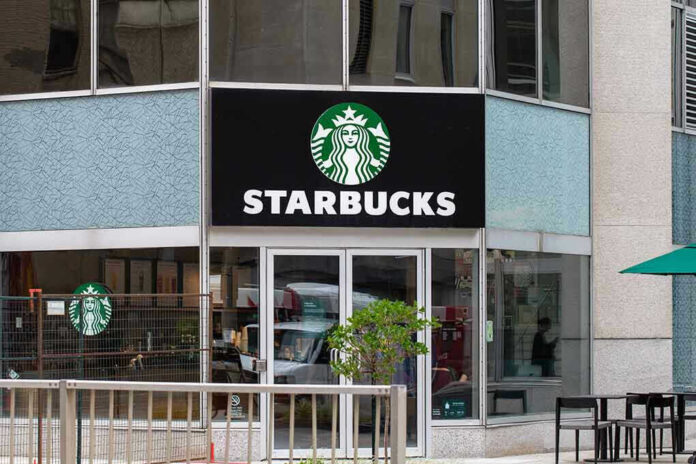
Over 1,000 unionized Starbucks baristas strategically launched a coordinated strike on Red Cup Day, deliberately targeting the company’s biggest promotional event to maximize disruption and force stalled contract negotiations.
Story Highlights
- 1,000+ unionized baristas struck 65 stores nationwide on Starbucks’ high-traffic Red Cup Day
- Strike represents one of the largest coordinated labor actions in Starbucks history
- Workers accused Starbucks of union-busting tactics and stalling contract negotiations
- Strike disrupted operations during crucial promotional event, impacting sales and visibility
Strategic Strike Targets Major Promotional Event
Starbucks Workers United orchestrated the strike to coincide with Red Cup Day, the company’s annual promotional event that generates significant customer traffic and revenue. The union’s deliberate timing demonstrates sophisticated organizing tactics designed to maximize economic pressure on corporate management. By targeting this high-profile event, striking workers ensured widespread media coverage and customer awareness of their labor dispute. The coordinated action across 65 stores nationwide required extensive planning and communication among union organizers.
1K unionized Starbucks baristas launch labor strike at 65 stores https://t.co/WABqVCfpZ4
— FOX Business (@FoxBusiness) November 13, 2025
Years of Escalating Labor Tensions Reach Breaking Point
The current strike represents the culmination of labor tensions that began with the first Starbucks unionization effort in Buffalo, New York, in late 2021. Since then, over 350 stores have voted to unionize, with workers consistently demanding better wages, improved working conditions, and more predictable scheduling. Union representatives have repeatedly accused Starbucks management of engaging in union-busting tactics, including retaliatory firings and strategic store closures. The National Labor Relations Board has previously ruled against Starbucks for unfair labor practices, validating many worker complaints about corporate interference in organizing efforts.
Corporate Response Emphasizes Direct Employee Relations
Starbucks Corporation responded to the strike by emphasizing its commitment to direct engagement with employees while attempting to maintain operations at affected locations. Company representatives stated their respect for workers’ rights to protest while focusing on serving customers and supporting all employees. This response reflects a broader corporate strategy of resisting unionization efforts through preference for individual rather than collective bargaining relationships. However, the company’s approach has faced increasing scrutiny from labor advocates who argue it undermines workers’ constitutional rights to organize and bargain collectively.
Economic and Industry Implications
The strike’s impact extends beyond immediate sales disruptions, potentially influencing broader trends in service sector unionization across America. Labor experts note that successful coordination of such large-scale actions could inspire similar efforts at other major service employers. The timing and scale of this strike demonstrate growing sophistication among union organizers in the post-pandemic labor market. For conservative Americans concerned about economic stability, this represents another example of organized labor’s increasing willingness to disrupt business operations, potentially affecting consumer costs and service reliability during the crucial holiday shopping season.
Sources:
1K unionized Starbucks baristas launch labor strike at 65 stores